

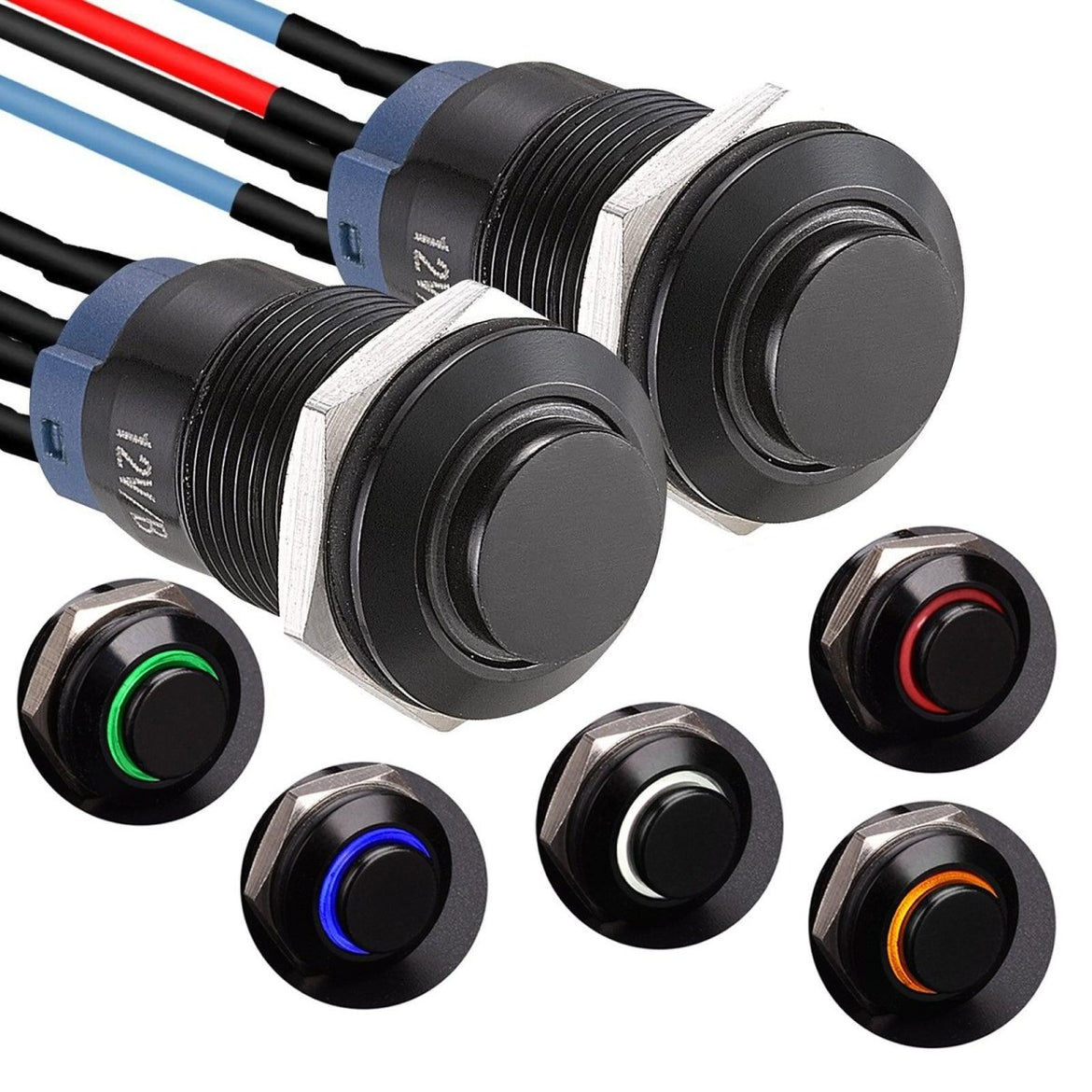

The Evolution of Car Switch Interfaces: Bridging Tactile Reliability and Digital Innovation
The Evolution of Car Switch Interfaces: Bridging Tactile Reliability and Digital Innovation
The evolution of car switch interfaces reflects a critical balance between tactile reliability and digital innovation. As vehicles become more advanced, the transformation from traditional mechanical switches to hybrid designs becomes apparent. This shift aims to enhance user experience while maintaining essential safety features. However, the challenges of customization and ergonomic design present intriguing questions. How will these interfaces evolve to meet the demands of modern drivers? The answers may redefine interaction within the automotive landscape.
Key Takeaways
- The transition from mechanical to smart switches integrates advanced technologies while maintaining essential tactile feedback for user confidence.
- Haptic integration enhances user experience, allowing intuitive control without visual distraction and supporting driver focus on the road.
- Customization in switch design caters to individual preferences, balancing the demand for unique user experiences with the need for reliable functionality.
- Hybrid interfaces combine mechanical and digital elements, ensuring tactile reliability while adapting to the evolving automotive landscape and safety standards.
- Physical interfaces play a critical role in road safety, reducing misoperation risks and enhancing driver response during emergencies through intuitive control design.
A Decade of Transformation

Over the past decade, the automotive industry has undergone a remarkable transformation in the sphere of human-machine interfaces (HMIs). As drivers prioritize tactile reliability, manufacturers have embraced advanced detent design and force feedback mechanisms to enhance user experience. Haptic integration has emerged as a crucial element, allowing for intuitive control without visual distraction.
The evolution of pushbutton aesthetics reflects a commitment to both functionality and style, ensuring that each interface is pleasing to the eye while supporting essential vehicle operations. By marrying innovative technology with user-centered design principles, automakers are redefining the way drivers interact with their vehicles, creating an environment where control feels natural and responsive, ultimately elevating the driving experience to new heights.
From Mechanical to Smart: The Changing Role of Switches

The evolution of switches in the automotive industry reflects a significant shift from traditional mechanical designs to increasingly sophisticated smart technologies. Innovations such as piezo switches exemplify this progression, offering seamless integration with modern automotive standards while maintaining essential tactile feedback. The demand for intuitive pushbutton design ensures that critical functions, such as eCall SOS, remain easily accessible, enhancing driver safety and response times. As vehicles incorporate advanced features, the balance between digital interfaces and the reliability of physical controls is paramount. This hybrid approach facilitates user mastery, allowing drivers to engage with their vehicle’s functions effortlessly. Ultimately, the changing role of switches encapsulates a commitment to innovation while prioritizing safety and usability in automotive design.
The Safety Imperative: Why Physical Interfaces Still Matter

How essential are physical interfaces in enhancing driver safety? The integration of tactile feedback in vehicle controls significantly improves driver focus, reducing the misoperation risk during critical situations. Intuitive controls allow for seamless interaction without diverting attention from the road, ensuring rapid responses in emergencies.
| Benefits of Physical Interfaces | Challenges of Digital Interfaces |
|---|---|
| Tactile feedback enhances control | Increased driver distraction |
| Immediate access to essential functions | Durability challenges in touchscreen tech |
| Supports muscle memory for operation | Higher misoperation risk |
Amid the rise of digital interfaces, the importance of physical controls remains paramount. The automotive industry recognizes that ensuring driver safety requires a balance of innovation and reliability, reaffirming the role of mechanical switches in modern vehicles.
The Market Shift: From Mass Production to Customization
What drives the automotive industry’s shift from mass production to customization? The rising demand for tailored solutions emphasizes tactile reliability and unique user experiences. As consumers seek personalized vehicle interiors, manufacturers respond by creating bespoke switches that cater to individual preferences. This customization demand signifies a departure from standardized products, fostering industry fragmentation where diverse needs can flourish. Automakers recognize cross-market opportunities, leveraging innovations from consumer electronics to enhance their offerings. By prioritizing intuitive design and reliable tactile feedback, they address both safety and user satisfaction. This evolution underscores a transformative era where customization is not just a luxury but a fundamental expectation, shaping the future of car switch interfaces.
Engineering for the Hybrid Future
As the automotive industry embraces customization, engineering practices are evolving to support a hybrid future that blends mechanical and digital interfaces. This shift prioritizes user-centered designs, where tactile reliability meets digital innovation. Advanced components like piezo switches enhance functionality in automated contexts, such as automatic car washes, ensuring seamless operation. Tactile detents and haptic feedback provide critical sensory cues, allowing drivers to engage with controls intuitively while maintaining road focus. Compliance with ISO 26262 ensures that these engineering solutions meet stringent safety standards, fostering trust in both mechanical and digital systems. The hybrid approach not only elevates user experience but also aligns with the industry’s commitment to safety, reliability, and innovative design in vehicle interfaces.
Frequently Asked Questions
How Do Piezo Switches Work in Automotive Applications?
Piezo switches operate via piezo sensors that detect pressure, activating tactile actuators. Their integration with liquid crystal and capacitive touch technologies enhances switch durability, offering intuitive feedback and innovative control solutions in automotive applications.
What Are the Benefits of Haptic Feedback in Touchscreens?
Haptic feedback in touchscreens enhances tactile immersion by reducing haptic latency and providing force feedback, thereby minimizing user fatigue and gesture misinterpretation. This innovation fosters an intuitive interaction, empowering users to master complex interfaces seamlessly.
How Do Automotive Switches Comply With International Safety Standards?
Automotive switches adhere to compliance standards through rigorous safety certification, regulatory testing, and validation protocols, ensuring thorough risk assessment. This structured approach fosters user confidence and guarantees intuitive, innovative functionality in modern vehicle interfaces.
What Innovations Are Driving the Future of Car Switch Technology?
In the automotive landscape, innovative materials, sensor integration, and wireless controls converge, crafting intuitive interfaces. Voice interfaces and energy harvesting propel switch technology forward, inviting mastery in user experience while redefining interaction with vehicles.
How Does Car-Sharing Impact the Design of Switch Interfaces?
Car-sharing influences switch interface design by prioritizing shared use ergonomics, fleet durability, and modular interiors. Aesthetics integrate remote access controls, ensuring intuitive and innovative user experiences that cater to diverse drivers while enhancing functionality and adaptability.
Conclusion
In the domain of automotive design, car switch interfaces have undergone a remarkable metamorphosis, akin to a caterpillar transforming into a butterfly. This evolution harmonizes tactile reliability with digital sophistication, ensuring that drivers experience both familiarity and innovation. As the industry embraces customization, the future promises interfaces that not only meet safety demands but also adapt to individual preferences, paving the way for a driving experience that is as intuitive as it is efficient.