

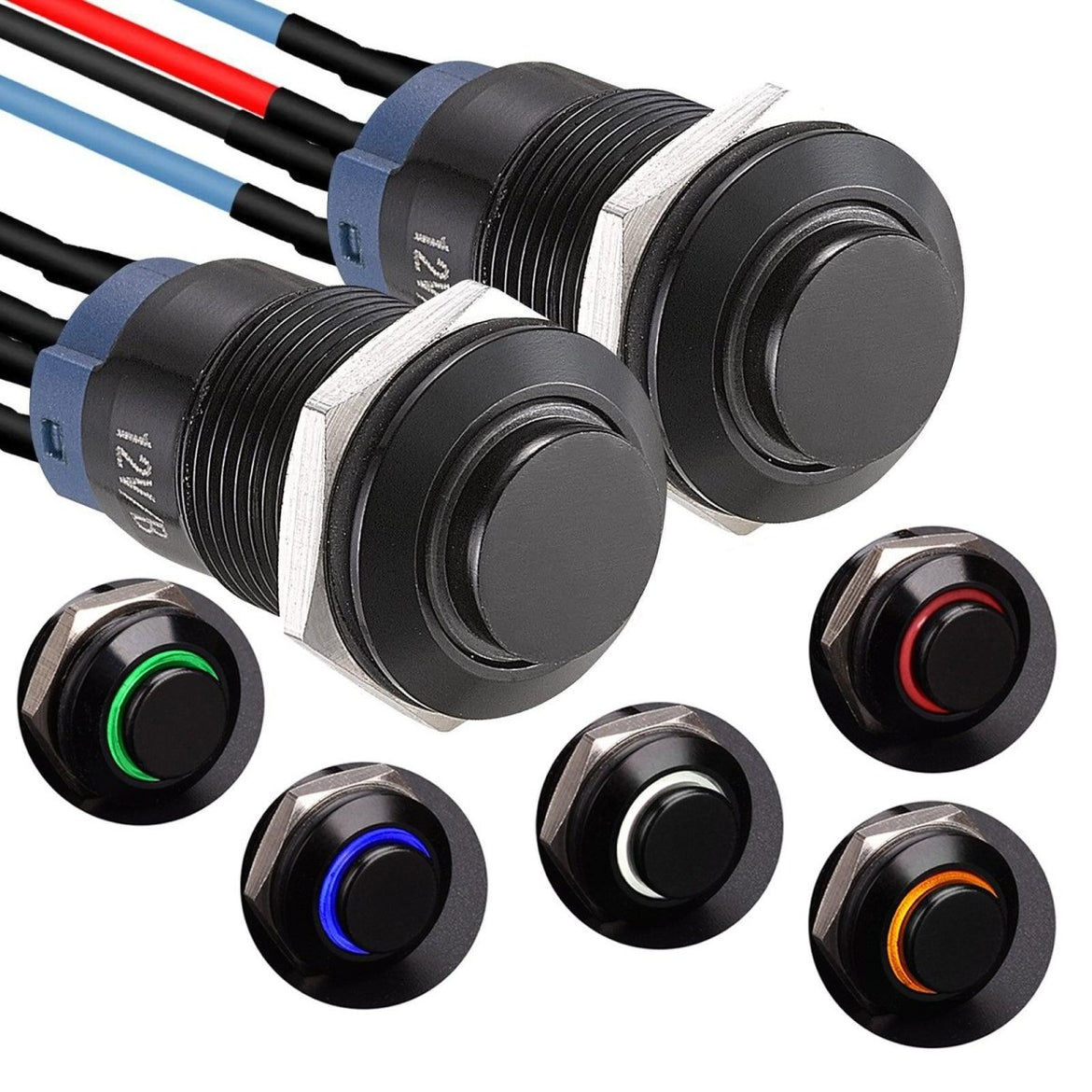

Automotive Switch Materials: Reliability, Safety & Durability Guide
Automotive Switch Materials: Reliability, Safety & Durability Guide
The engineering choices behind automotive switch materials directly influence reliability, safety, and longevity. High-performance polymers, metal housings, and innovative conductive inks enhance functionality while meeting stringent industry standards. Internal contact materials, such as silver-based options, offer superior conductivity, whereas composites and eco-friendly materials reflect a push towards sustainability. Each material’s performance undergoes rigorous testing to ascertain durability under harsh conditions, impacting overall switch effectiveness. Further exploration reveals deeper insights into the interplay of these critical factors.
Key Takeaways
- Material selection influences overall functionality and longevity, with high-performance polymers enhancing durability at a potential cost increase.
- Silver-based contacts provide superior conductivity and reliability, while copper alloys offer cost-effective alternatives for automotive applications.
- Engineering plastics and metal housings are crucial for lightweight designs, durability, and tactile feedback in automotive switch applications.
- Conductive inks improve adhesion and conductivity, enabling thinner switches while ensuring temperature, moisture, and chemical resistance for long-term reliability.
- Effective terminal design enhances mechanical stability and electrical conductivity, with sealing mechanisms preventing moisture intrusion to ensure safety and performance.
Why Materials Matter in Automotive Switch Design

In automotive switch design, the selection of materials plays a pivotal role in ensuring functionality, reliability, and longevity. Engineers must consider material selection carefully, weighing performance trade-offs against environmental impact and cost considerations.
For example, while high-performance polymers may enhance durability, they often come at a higher cost and may have different environmental footprints. Design innovations frequently explore composites and advanced metals that balance strength and weight, optimizing performance under diverse operating conditions.
Additionally, sustainable materials are gaining traction, reflecting a shift towards eco-friendly practices in the industry. Ultimately, the interplay of these factors shapes the effectiveness of automotive switches, influencing their ability to meet stringent industry standards while delivering exceptional performance throughout their service life.
Internal Contact Materials: Conductivity vs. Durability

Internal contact materials in automotive switches require a careful balance between conductivity and durability to guarantee reliable performance.
Silver-based contacts are recognized for their superior conductivity, while copper and copper alloys offer a cost-effective alternative with adequate performance.
Graphite and carbon-based contacts present unique advantages in specific applications, yet their long-term durability may vary, necessitating a thorough evaluation of material properties in relation to operational demands.
Silver-Based Contacts
Silver-based contacts are widely recognized for their superior conductivity and reliability in automotive micro switches. Their advantages include enhanced switch performance impact due to low contact resistance, which is critical in high-frequency applications. However, contact material selection must consider corrosion resistance factors, as environmental exposure can degrade performance. Silver alloys are frequently utilized to balance conductivity and durability, providing a robust solution for demanding automotive environments.
| Property | Silver Contacts Advantages | Silver Alloy Applications |
|---|---|---|
| Conductivity | Excellent | High-performance switches |
| Durability | Moderate | Automotive lighting systems |
| Corrosion Resistance | Limited | Power window controls |
| Switch Performance Impact | High | Safety-critical systems |
Copper and Copper Alloys
Copper and its alloys are prominent choices for internal contact materials in automotive micro switches due to their exceptional electrical conductivity and cost-effectiveness. However, conductivity challenges arise in applications subjected to harsh environments, leading to copper corrosion and potential performance degradation.
A careful alloy strength comparison reveals that while pure copper excels in conductivity, certain copper alloys enhance durability, making them suitable for demanding automotive applications. The versatility of copper alloy applications guarantees reliable functionality across various switch types.
Additionally, the benefits of copper recycling contribute to sustainability, allowing for the recovery of valuable materials while reducing environmental impact. Consequently, the selection of copper and its alloys is pivotal for balancing conductivity and durability in automotive switch design.
Graphite and Carbon-Based Contacts
Graphite and carbon-based contacts are increasingly recognized for their potential in automotive micro switches, particularly in applications where conductivity and durability must be balanced.
These materials offer unique advantages that contribute to performance optimization while addressing environmental impact concerns.
-
Graphite advantages include excellent thermal stability and resistance to wear.
-
Carbon conductivity guarantees efficient electrical transfer, crucial for high-performance systems.
-
Enhanced contact longevity mitigates the risk of failure in demanding conditions.
-
The use of these materials reduces the environmental impact associated with traditional metal contacts.
-
Proper integration can lead to significant performance optimization, extending the operational lifespan of automotive micro switches.
Housing and Actuator Materials: Mechanical Strength and User Experience

The choice of housing and actuator materials greatly impacts the mechanical strength and overall user experience of automotive switches.
Engineering plastics offer lightweight options with enhanced resistance to environmental factors, while metal housings provide superior durability and tactile feedback.
Analyzing these material properties is essential for optimizing switch performance in diverse automotive applications.
Engineering Plastics
Engineering plastics play an essential role in the performance and durability of automotive switches, specifically in the housing and actuator components.
These materials are engineered to enhance mechanical strength and user experience, ensuring reliability in demanding environments.
Key factors include:
-
Engineering plastics applications in high-performance automotive settings.
-
Material performance impact on switch longevity and functionality.
-
Implementation of durability testing methods to meet rigorous automotive standards.
-
Adherence to environmental resistance standards to mitigate degradation from exposure.
-
Innovations in lightweight materials that optimize energy efficiency without sacrificing strength.
Metal Housings and Actuators
Metal housings and actuators are critical components in automotive switches, influencing both mechanical strength and user experience.
The selection of materials for these components must consider factors such as metal fatigue, which can degrade performance over time, and corrosion resistance to withstand harsh environments.
Thermal stability is also paramount, as temperature fluctuations can impact functionality.
Advanced manufacturing processes, including precision machining and surface treatments, guarantee that metal components meet stringent automotive standards.
Design innovations, such as modular approaches and enhanced sealing techniques, further improve durability and reliability.
Membrane Switch Materials: Thin, Lightweight, and Digital-Ready
Membrane switch materials play a critical role in modern automotive applications, characterized by their thin, lightweight structure and readiness for digital integration.
Key components include substrate materials that provide flexibility and durability, along with conductive inks that guarantee reliable electrical connections.
The selection of these materials is essential for achieving ideal performance and enhancing user interface design in vehicles.
Substrate Materials
Substrate materials play an essential role in the performance and functionality of membrane switches, which are increasingly utilized in modern automotive applications.
The selection of appropriate substrates involves rigorous substrate selection criteria, including durability, flexibility, and compatibility with conductive inks.
Thorough environmental impact assessments guarantee that materials align with sustainability goals.
Cost benefit analysis aids in determining the most economically viable options while maintaining performance standards.
Additionally, manufacturing process optimization enhances efficiency, reducing waste and production costs.
Performance testing methodologies validate the reliability and longevity of these materials under various automotive conditions.
-
Durability under extreme temperatures
-
Resistance to moisture and chemicals
-
Lightweight and compact design
-
Compatibility with digital interfaces
-
Cost-effectiveness in high-volume production
Conductive Inks
Conductive inks represent a vital component in the development of modern automotive membrane switches, offering unique advantages regarding functionality and design.
These inks facilitate diverse conductive ink applications, essential for enhancing the electronic interfaces in vehicles. Advances in print technology have enabled the production of thinner and lighter switches, optimizing space within automotive designs.
In addition, innovative ink curing techniques improve adhesion and conductivity, while addressing environmental durability factors such as temperature fluctuations and moisture resistance. Cost-effective formulations have emerged, enabling manufacturers to balance performance with economic viability.
Consequently, the integration of conductive inks in automotive switches exemplifies the pursuit of reliability, efficiency, and modern aesthetic requirements, reinforcing the overall performance of automotive electronic systems.
Terminals, Pins, and Connectors
Terminals, pins, and connectors serve as fundamental interfaces within automotive electrical systems, facilitating the seamless transmission of power and signals between various components. Their design and functionality are crucial for guaranteeing reliability and longevity in automotive applications.
Terminals, pins, and connectors are vital for reliable power and signal transmission in automotive electrical systems.
-
Terminal design considerations must address mechanical stability and electrical conductivity.
-
Connector compatibility standards guarantee interoperability across diverse manufacturers.
-
Pin configuration types can vary to accommodate specific electrical requirements.
-
Terminal plating options, such as gold or tin coatings, enhance corrosion resistance.
-
Connector sealing mechanisms are essential for protection against moisture and contaminants.
These elements collectively influence performance and durability, necessitating meticulous attention during the design and selection process to meet stringent automotive standards.
Frequently Asked Questions
How Do Environmental Factors Affect Switch Material Performance?
Environmental factors greatly impact switch material performance, akin to a delicate dance between resilience and adversity.
Temperature extremes challenge the integrity of materials, while humidity exposure can lead to corrosion and degradation.
Chemical resistance is vital for protecting against harsh substances, whereas vibration tolerance guarantees functionality amidst movement.
Additionally, UV degradation poses risks for outdoor applications, necessitating careful material selection to enhance longevity and reliability under varying environmental conditions.
What Are the Cost Implications of Using High-Grade Materials?
The cost implications of using high-grade materials involve a thorough cost benefit analysis, balancing initial material sourcing expenses against long-term savings from enhanced durability and reliability.
While upfront costs may rise, the resulting decrease in failure rates can improve production scalability and reduce warranty claims.
Additionally, adopting superior materials enhances market competitiveness by ensuring product longevity, ultimately leading to a stronger brand reputation and customer loyalty in the automotive sector.
How Does Material Choice Influence Manufacturing Processes?
Material selection greatly influences manufacturing processes by dictating manufacturing efficiency, process optimization, and quality control.
High-grade materials often require specialized techniques, affecting production timelines and costs within the supply chain. The choice of materials can lead to variations in machining, assembly, and finishing processes, ultimately impacting the final product’s durability and performance.
As a result, understanding the interplay between material properties and manufacturing methods is essential for achieving consistent quality and operational efficiency.
What Testing Standards Should Automotive Switch Materials Meet?
Automotive switch materials should meet stringent switch durability standards, guaranteeing long-term performance under adverse conditions.
Compliance with electrical performance criteria is essential for reliable operation of circuits. Additionally, materials must fulfill thermal resistance requirements to withstand temperature fluctuations.
Mechanical stress tests verify their integrity under physical load, while adherence to regulatory compliance guidelines guarantees safety and quality.
Collectively, these standards form a thorough framework for evaluating the reliability and functionality of automotive switches.
How Do Suppliers Ensure Material Quality and Consistency?
Suppliers guarantee material quality and consistency through a paradoxical blend of stringent oversight and trust. They employ thorough material sourcing strategies, backed by rigorous quality control processes and supplier certifications.
Material performance metrics are meticulously tracked, while consistency testing methods are systematically applied to verify reliability. This intricate dance of precision and accountability ultimately safeguards the integrity of components, ensuring that even minor deviations are swiftly addressed to maintain high standards in production.
Conclusion
To summarize, the selection of materials for automotive switches is essential to ensuring reliability, safety, and longevity in modern vehicles. Significantly, studies indicate that approximately 30% of electrical failures in vehicles are attributed to inadequate material choices, underscoring the importance of durability and corrosion resistance. As the industry evolves with the rise of electric and hybrid vehicles, the need for innovative materials that enhance performance while reducing environmental impact becomes increasingly crucial to meet both consumer expectations and regulatory standards.