

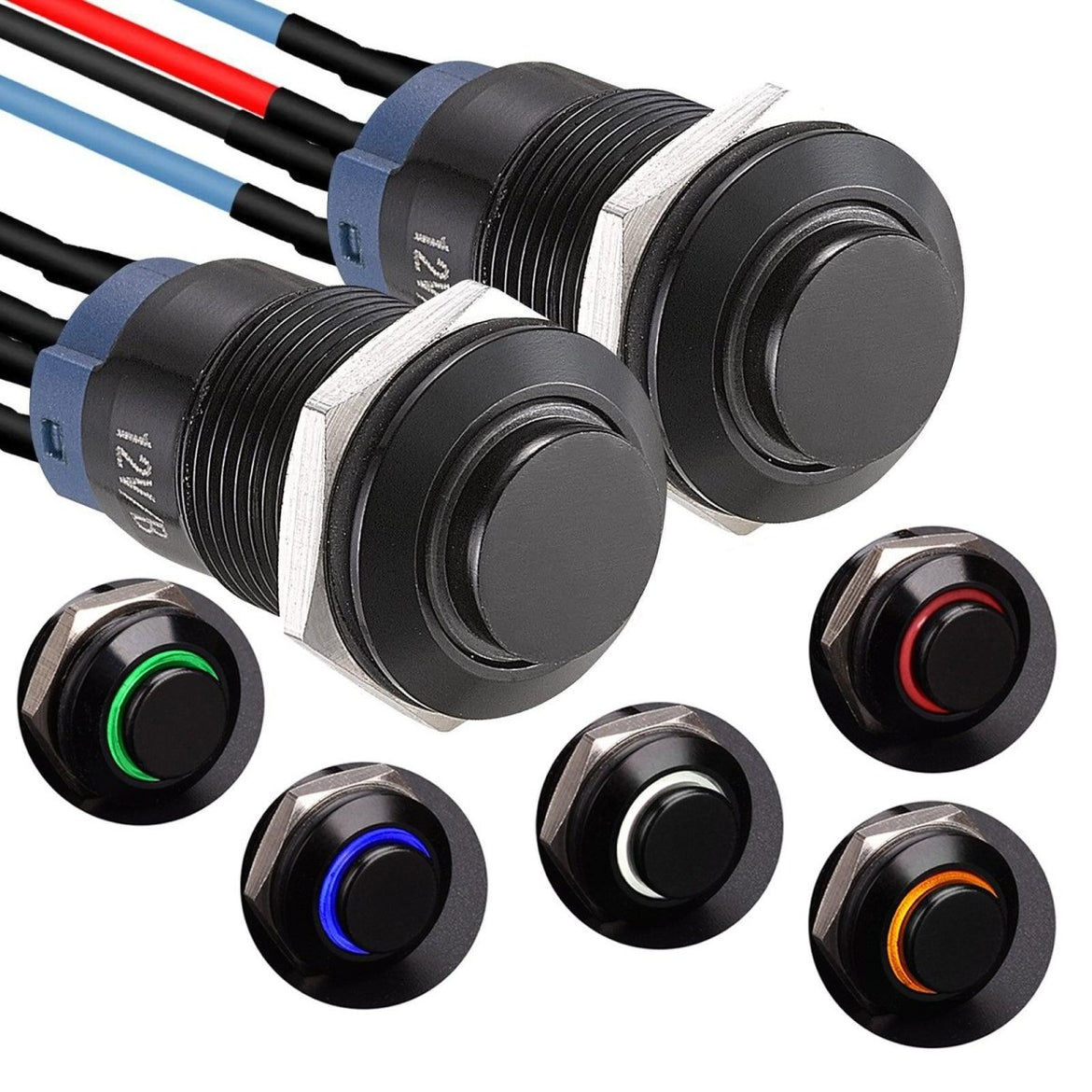

The Future of Car Switches: Innovation, Safety & Driver Experience
The Future of Car Switches: Innovation, Safety & Driver Experience
The future of car switches is characterized by a tension between innovative technology and fundamental safety. Mechanical switches remain essential for tactile feedback and quick access to critical functions, enhancing emergency response. Meanwhile, touchscreens offer modern aesthetics but can introduce distractions. The solution lies in hybrid interfaces that integrate both concepts, providing tactile cues alongside digital displays. This approach aims to enhance user experiences while ensuring safety. Further exploration reveals deeper insights into this evolving automotive landscape.
Key Takeaways
- The automotive industry is shifting towards hybrid interfaces that combine tactile controls with digital displays for improved user experience and safety.
- Mechanical switches continue to play a crucial role by providing immediate access and tactile feedback for essential functions, enhancing driver engagement.
- Touchscreens, while modern, pose risks of driver distraction due to complex interactions that require visual attention, highlighting the need for balance.
- Haptic feedback technology enhances digital interfaces by offering tactile cues, improving user confidence and engagement without compromising safety.
- The future design of car switches must prioritize user feedback and adhere to safety standards to ensure an optimal balance between innovation and functionality.
Introduction: The Shift in Automotive Controls

As the automotive industry evolves, the shift from traditional mechanical controls to digital interfaces has sparked significant debate regarding safety and usability.
This interface evolution prioritizes digital ergonomics, aiming to enhance user interaction through sleek designs and touch capabilities. However, the loss of tactile response raises concerns about driver engagement and control efficiency.
The shift to digital interfaces enhances user interaction but risks diminishing tactile feedback and driver engagement.
In automotive design, the challenge lies in balancing aesthetics with functionality, ensuring that drivers can navigate complex systems intuitively. The increasing reliance on touchscreens often complicates essential functions, potentially leading to distractions.
As manufacturers innovate, understanding how these digital interfaces impact user experience remains critical, prompting ongoing discussions about the implications for safety, usability, and overall driving satisfaction in this transformative landscape.
The Case for Mechanical Switches: Safety and Usability First

Advocates for mechanical switches emphasize their significant role in enhancing both safety and usability within vehicles. These switches offer distinct mechanical advantages, providing tactile feedback that enables drivers to operate controls without diverting their attention from the road. This is essential in reducing driver distraction, especially during critical moments.
Key features include:
-
Immediate access to important functions like indicators and hazard lights.
-
Intuitive design that aligns with user preferences for quick, responsive operation.
-
Enhanced emergency response capability, which is fundamental in urgent situations.
As automakers respond to consumer feedback, the integration of mechanical switches emerges as a strategic choice, prioritizing safety and usability over the complexities often associated with digital interfaces.
Touchscreens and Capacitive Controls: Modern but with Caveats

While touchscreens and capacitive controls are often celebrated for their sleek design and modern appeal, they come with significant drawbacks that merit careful consideration.
Touchscreen limitations can lead to driver distraction, particularly due to complex menus that require visual attention and extended interaction. Research indicates that this distraction can impair reaction times, paralleling the effects of impaired driving.
User frustration often arises when drivers struggle to access functions quickly, resulting in stress during critical moments. Additionally, the lack of tactile feedback diminishes the ability to operate controls confidently by feel, which is especially important in emergencies.
These factors highlight the need for a balanced approach that prioritizes both innovation and safety in vehicle interface design.
Haptic Feedback: Enhancing Digital Interfaces
How can haptic feedback transform the interaction between drivers and digital interfaces? By implementing haptic technology, manufacturers can enhance user experience through refined feedback mechanisms that facilitate intuitive tactile interaction.
This innovation enables drivers to operate controls with greater confidence and efficiency, minimizing distractions.
-
Subtle vibrations signal successful input, providing reassurance without diverting attention.
-
Variable resistance adjusts to context, allowing for distinct tactile responses during critical functions.
-
Layered feedback differentiates between commands, ensuring clarity in interface design.
As vehicles evolve, integrating haptic feedback into digital interfaces can bridge the gap between traditional controls and modern touchscreen designs, promoting a safer, more engaging driving experience while addressing the challenges of driver distraction.
Hybrid Interfaces: The Real-World Future
What might the future of vehicle interfaces look like as automakers seek to balance safety and user experience? Hybrid interfaces, merging tactile controls with digital displays, promise enhanced digital ergonomics and user-centered design. These systems prioritize tactile responsiveness, ensuring drivers can operate essential functions intuitively. Interface integration will facilitate seamless shifts between physical and digital controls, while robust feedback mechanisms will improve interaction quality.
| Feature | Benefits | Examples |
|---|---|---|
| Tactile Controls | Quick operation by feel | Mechanical switches |
| Touchscreen Displays | Rich information access | Integrated digital interfaces |
| Haptic Feedback | Enhanced user experience | Vibration cues for actions |
| Safety Regulations | Compliance with Euro NCAP | Physical controls for critical functions |
| User Testing Feedback | Continuous design improvement | Iterative prototyping |
Engineering Challenges and Quality Standards
The integration of hybrid interfaces in vehicle design introduces a range of engineering challenges that demand rigorous adherence to quality standards.
Key design considerations include:
-
Ergonomic factors to guarantee intuitive user interaction.
-
Reliability testing to confirm durability under various conditions.
-
Manufacturing standards that assure consistent performance.
Addressing these challenges requires thorough user feedback to refine controls, guaranteeing they meet both safety and usability expectations.
Engineers must balance innovative technology with the tactile feedback necessary for critical functions.
As automakers like Hyundai respond to consumer preferences, the emphasis on mechanical switches highlights the importance of reliable and efficient control systems.
Ultimately, the future of car switches hinges on overcoming these engineering hurdles while maintaining high-quality standards for driver experience and safety.
Frequently Asked Questions
How Do Mechanical Switches Improve Driver Reaction Times?
Mechanical switches enhance driver reaction times by providing tactile feedback and ergonomic placement, which fosters intuitive interaction. This engagement allows drivers to operate controls without diverting their attention from the road.
The reduction in response latency, compared to touchscreens, is significant; users can rely on their familiarity with mechanical interfaces to execute commands swiftly. By prioritizing tactile sensations, mechanical switches facilitate quicker decision-making in critical situations, ultimately promoting safer driving experiences.
What Design Considerations Are Crucial for Mechanical HMIS?
Design considerations for mechanical HMIs include user-centric design, ensuring that controls are intuitive and accessible.
Tactile feedback is essential, allowing drivers to operate functions without visual distraction. Ergonomic placement enhances ease of use, promoting quick access during emergencies.
Durability testing is vital to guarantee reliability under various conditions.
Additionally, integration challenges must be addressed, balancing mechanical components with modern interfaces while maintaining seamless functionality and aesthetics in vehicle interiors.
How Do Touchscreens Compare in Cost-Effectiveness to Mechanical Switches?
Touchscreens, like delicate glass, reflect a duality in cost-effectiveness compared to mechanical switches. While they may enhance production efficiency and present sleek user interfaces, their durability often incurs higher maintenance expenses.
A thorough cost analysis reveals that the initial savings from digital interfaces are frequently offset by increased warranty service repairs. Consequently, the allure of touchscreens must be weighed against their long-term financial implications, particularly in the context of user satisfaction and operational reliability.
What Consumer Feedback Influenced Automakers to Reintroduce Physical Buttons?
Consumer feedback highlighted the necessity for user-friendly interfaces, emphasizing tactile feedback as an essential element in enhancing driver interaction.
Users expressed a preference for physical buttons over touchscreens, citing accessibility features and ergonomic design as critical for efficient control. The frustration with touchscreen complexity and the need for quick response times in emergencies drove automakers to reevaluate their designs, leading to the reintroduction of mechanical switches to better align with user preferences and safety requirements.
How Do Regulatory Bodies Impact the Design of Vehicle Controls?
Regulatory bodies substantially shape vehicle control design through stringent safety standards and ergonomic guidelines, ensuring regulatory compliance.
These regulations incentivize innovation by pushing manufacturers to create user-friendly interfaces that promote user accessibility. For instance, physical controls must be intuitive to minimize distractions and enhance safety.
As consumer expectations evolve, regulatory demands compel automakers to balance modern technological advancements with essential tactile feedback, ultimately fostering a safer driving environment while adhering to required standards.
Conclusion
As the automotive industry navigates the future of vehicle controls, the integration of mechanical switches with digital interfaces emerges as a paramount consideration. The balance between innovation and safety is not merely a challenge but a monumental task, akin to steering a ship through turbulent waters. By prioritizing user-friendly designs and robust engineering standards, manufacturers can create hybrid interfaces that not only enhance driver experience but also safeguard lives, ensuring that technology serves the essential purpose of safe driving.