

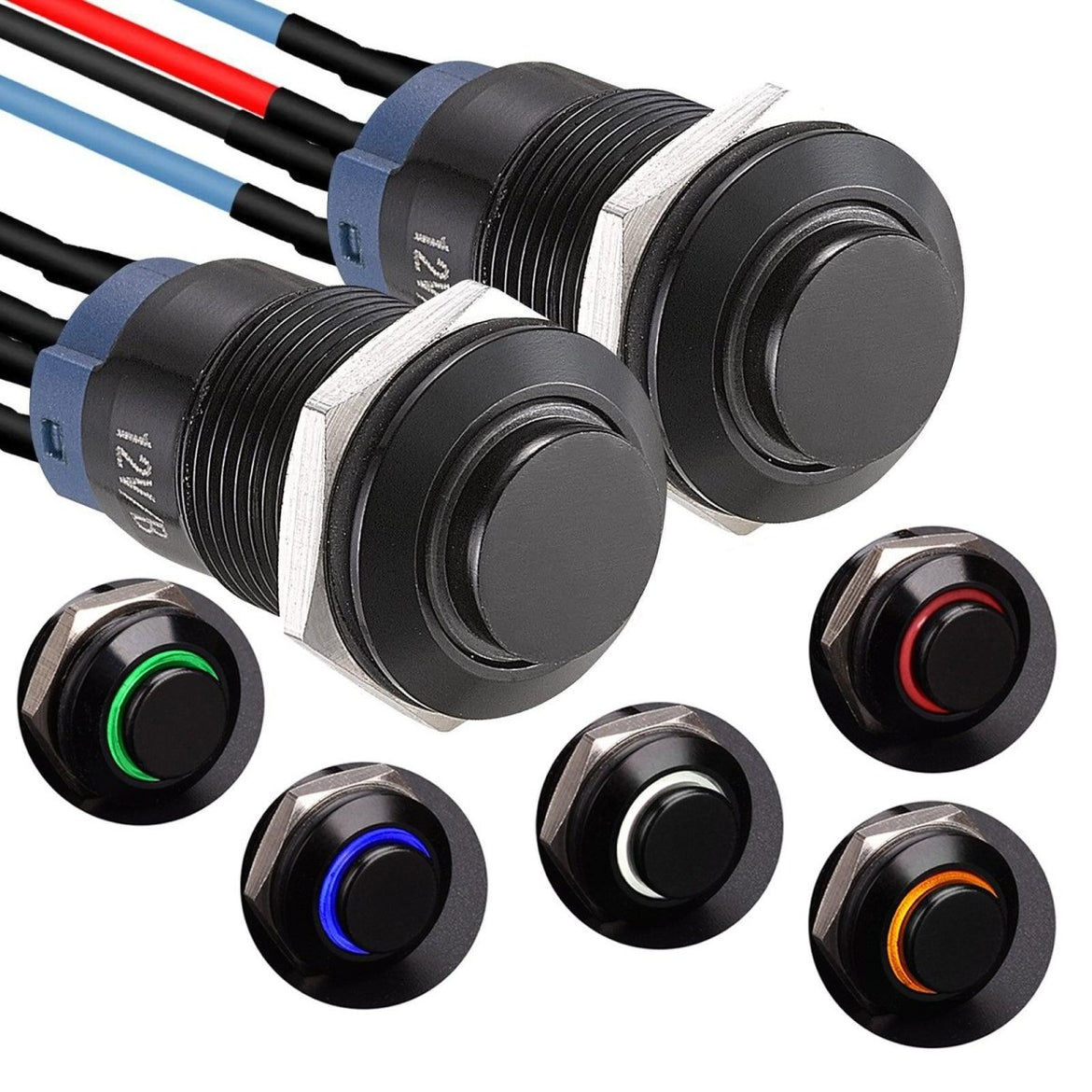

The Dead Pedal Trick: Installing a Foot-Activated Kill Switch Like a Pro
The Dead Pedal Trick: Installing a Foot-Activated Kill Switch Like a Pro
The concept of a foot-activated kill switch, known as the Dead Pedal Trick, offers musicians a method to control their sound dynamically. By interrupting the signal path, performers can achieve effects like staccato playing effectively. Selecting the right switch type and employing proper wiring techniques are vital for peak performance. Understanding these elements is essential for those looking to enhance their setup. Yet, the intricacies of installation and maintenance require careful consideration.
Key Takeaways
- Select an appropriate momentary switch type to ensure optimal performance for seamless sound control during live performances.
- Use interruptive wiring to break the signal connection and achieve clean engagement and disengagement of the kill switch.
- Ensure secure solder joints and proper insulation to prevent signal loss and electrical hazards during installation.
- Choose a location for the kill switch that allows efficient foot activation without obstruction during performance.
- Regularly inspect and maintain the kill switch to identify signs of wear or malfunction for consistent performance.
Introduction

As the popularity of kill switches in guitar electronics has surged over the past decade, musicians have increasingly recognized their potential to enhance sound control and creativity.
The integration of foot-activated kill switches offers notable benefits, allowing for seamless signal interruption methods that can elevate guitar performance.
Understanding foot pedal mechanics is vital for ideal functionality, as these devices must be properly wired to guarantee safety and reliability.
Essential wiring safety precautions must be observed to prevent damage to the instrument or injury to the user.
When executed correctly, a foot-activated kill switch can transform dynamic expression and provide a versatile tool for live performances, enabling musicians to manipulate their sound with precision and artistry.
What Is a Kill Switch and Why Use One?

A kill switch is a crucial component in guitar electronics, designed to interrupt the signal path between the instrument and the amplifier. The kill switch benefits musicians by providing control over their sound, enabling effects such as staccato playing.
Various switch types, including toggle and momentary switches, offer different functionalities tailored to user preferences. However, installation challenges may arise, particularly for those unfamiliar with wiring modifications.
Creative applications extend beyond standard usage, enhancing live performances and studio recordings. Troubleshooting tips, such as adjusting resistor values to minimize popping noises, can improve performance reliability.
Understanding these elements is essential for achieving mastery in guitar electronics and maximizing the potential of a kill switch.
The Dead Pedal Concept: From Audio to Automotive

Exploring the dead pedal concept reveals its intriguing evolution from audio applications to automotive design. Initially popularized in audio safety, the dead pedal serves a critical role in enhancing pedal functionality, allowing musicians to control sound dynamics seamlessly.
This concept shifted into automotive modifications, where a foot-activated kill switch enhances vehicle safety by providing an accessible means to disable electrical systems. Employing advanced wiring techniques, such installations guarantee reliable operation while minimizing potential noise reduction issues.
The integration of dead pedals in vehicles reflects a growing trend towards user-centric design, emphasizing safety and control. As both fields continue to innovate, the dead pedal remains a demonstration of the synergy between audio engineering and automotive technology.
Momentary vs Latching Switches: Choosing the Right Pedal
The choice between momentary and latching switches considerably impacts pedal functionality in guitar setups. Understanding the distinctions is essential for peak performance and user experience.
-
Momentary switch advantages: Ideal for temporary signal interruption, allowing for dynamic play.
-
Latching switch applications: Suitable for maintaining states, providing a consistent on/off function.
-
Switch durability factors: Consider material and usage frequency to guarantee long-term reliability.
-
Pedal circuit compatibility: Assess compatibility with existing configurations to avoid operational issues.
User preference influence plays a significant role in this decision, as individual playing styles dictate whether a momentary or latching switch will enhance their musical expression.
Ultimately, selecting the appropriate switch involves balancing functionality with personal preference for maximum effectiveness.
Wiring Principles: Interrupt vs Short-to-Ground
Understanding the wiring principles of kill switches is essential for effective guitar modifications. Two primary methods exist: interruptive wiring and the shorting method. The interruptive method breaks the connection between the signal and output jack, while the shorting method connects the output signal directly to ground, enhancing noise reduction and signal management.
| Wiring Method | Description |
|---|---|
| Interruptive Wiring | Breaks signal connection |
| Shorting Method | Connects signal to ground |
| Signal Management | Maintains clear output during use |
| Noise Reduction | Minimizes popping during activation |
Choosing the appropriate switch type—such as momentary or toggle—affects functionality and performance. Mastery of these principles guarantees superior kill switch installation and usage.
Designing a Foot-Activated Kill Switch: Key Considerations
Designing a foot-activated kill switch requires careful consideration of various factors that influence functionality and ease of use. The effectiveness of the installation hinges on the following key elements:
Designing a foot-activated kill switch involves thoughtful attention to layout, materials, and user accessibility for optimal performance.
-
Designing layout: Ideal placement guarantees efficient foot activation without obstructing other pedal operations.
-
Switch materials: Durability and responsiveness of materials impact the switch’s longevity and tactile feedback.
-
Pedal aesthetics: A visually appealing design may enhance the overall setup while maintaining a professional appearance.
-
User accessibility: The switch should be easily reachable and operable, accommodating varying foot sizes and playing styles.
Additionally, sound effects should be considered to guarantee the switch delivers clean engagement and disengagement, enhancing the overall performance experience.
Avoiding Common Mistakes
Many guitarists encounter pitfalls when installing a foot-activated kill switch, often stemming from oversight in planning and execution.
Common wiring errors, such as incorrect soldering or misrouting of wires, can lead to malfunction. Switch type considerations are vital; selecting an inappropriate switch can hinder performance.
Employ diligent testing methods to guarantee functionality before finalizing the installation. Safety precautions must be prioritized, including disconnecting power sources and using insulated tools to prevent electric shock.
Additionally, troubleshooting tips, such as checking for continuity and confirming proper grounding, can alleviate issues that arise post-installation.
Step-by-Step Installation
The installation of a foot-activated kill switch involves a systematic approach to guarantee functionality and safety.
Initially, it is essential to select an appropriate location for the switch, followed by disconnecting the vehicle battery to prevent electrical hazards.
Subsequent steps include identifying the control wire for interruption or grounding, preparing the wiring, and finally, wiring the kill switch in a short-to-ground configuration.
Step 1: Choose a Suitable Location for the Foot-Activated Kill Switch
Where should one place the foot-activated kill switch for peak performance and accessibility? Selecting an appropriate location is critical for effective kill switch design and best foot pedal functionality.
Consider the following installation tips to guarantee a successful setup:
-
Proximity to other controls: Position the kill switch near existing pedals or controls for intuitive operation.
-
Foot placement: Confirm the switch is easily reachable without straining or disrupting playing posture.
-
Switch types: Choose a momentary switch for temporary muting or an on/off switch for a more permanent solution.
-
Wiring techniques: Plan wiring routes that minimize interference and maintain signal integrity.
These factors will enhance the overall functionality while simplifying the installation process.
Step 2: Disconnect the Vehicle Battery
Before proceeding with the installation of a foot-activated kill switch, it is essential to disconnect the vehicle battery to secure safety and prevent any electrical mishaps.
Battery safety is paramount, as working on live circuits can lead to shorts or damage. Use appropriate installation tools, such as a wrench or pliers, to safely detach the negative terminal first, followed by the positive terminal.
Ascertain the battery is isolated from the vehicle’s electrical system before proceeding. This critical step also prepares the workspace for effective wiring techniques, allowing for ideal switch types to be integrated without risk.
Additionally, understanding troubleshooting methods can aid in addressing any potential issues that may arise during the installation process.
Step 3: Identify the Control Wire to Interrupt or Ground
Following the disconnection of the vehicle battery, the next step involves identifying the control wire that will be affected by the installation of the kill switch.
Accurate control wire identification is essential for proper functionality. Practitioners should consider the following elements:
-
Wiring color codes: Familiarize with standard color codes to easily locate the correct wire.
-
Interrupt connection methods: Determine whether to break the signal path or redirect it to ground.
-
Grounding techniques explanation: Understand the implications of grounding on signal integrity and performance.
-
Troubleshooting signal loss: Be prepared to address any signal loss issues that may arise post-installation.
Step 4: Prepare the Wiring
To prepare the wiring for the installation of a foot-activated kill switch, practitioners must first gather the necessary tools and components, guaranteeing a clean and organized workspace. Understanding wiring techniques is essential, as different switch types can greatly influence performance. Practitioners should consider the kill switch benefits, such as improved noise management and enhanced creativity.
| Component | Purpose |
|---|---|
| Soldering Iron | Connects wires securely |
| Heat Shrink Tubing | Insulates connections to prevent shorts |
| Resistors | Minimizes popping noise during activation |
| Switch Type | Determines functionality and installation |
Following installation tips will guarantee a successful setup, allowing for ideal performance of the foot-activated kill switch.
Step 5: Wire the Kill Switch in a Short-to-Ground Configuration
Wiring the kill switch in a short-to-ground configuration is a critical step that enhances the instrument’s functionality by ensuring silent operation when engaged.
This method offers several kill switch benefits, particularly regarding signal interruption and noise management. Proper installation requires specific installation tools and adherence to effective wiring techniques, which include:
-
Selecting a momentary switch for ideal performance.
-
Connecting one terminal to the output signal and the other to ground.
-
Ensuring secure solder joints to prevent signal loss.
-
Testing the configuration before finalizing the pedal customization.
Step 6: Install a Relay (Optional but Recommended)
Installing a relay can enhance the functionality and reliability of a foot-activated kill switch in a guitar setup. Relay installation techniques can improve signal integrity and prevent unwanted noise. The following table summarizes key aspects of relay integration:
| Aspect | Description | Benefits |
|---|---|---|
| Kill Switch Advantages | Provides smoother operation | Reduces signal degradation |
| Wiring Diagrams | Visual guides for proper connections | Guarantees accurate relay placement |
| Switch Types | SPDT or momentary switches recommended | Flexibility in functionality |
| Troubleshooting Methods | Identify common relay issues | Streamlines maintenance |
Incorporating a relay not only enhances the kill switch’s performance but also allows for more complex configurations, making it a valuable addition for advanced users.
Step 7: Mount the Kill Switch and Relay Securely
Securing the kill switch and relay is a critical step in guaranteeing the reliability and functionality of the guitar setup. Proper mounting enhances pedal customization and maximizes the kill switch benefits, facilitating effective sound modification.
Employing refined wiring techniques during installation allows for seamless integration with existing components. To achieve peak results, consider the following:
-
Utilize robust mounting hardware to prevent movement.
-
Ascertain proper alignment with the pedal’s layout for accessibility.
-
Protect wiring from wear and interference with the switch mechanism.
-
Implement effective troubleshooting methods for future maintenance.
This meticulous approach guarantees that the kill switch operates correctly, thereby enhancing the overall performance and reliability of the guitar’s electronic configuration.
Step 8: Reconnect the Battery and Test the Kill Switch
Once the kill switch and relay are securely mounted, the next essential step involves reconnecting the battery to the guitar’s circuit. This process is critical to initiate the functionality of the kill switch, allowing for signal interruption during performance. Following proper wiring safety protocols is paramount to avoid shorts or damage.
| Step | Action |
|---|---|
| 1. Battery Check | Verify battery voltage is adequate. |
| 2. Connection | Reattach battery terminals securely. |
| 3. Testing | Engage the kill switch; observe signal cut-off. |
| 4. Adjustments | Fine-tune wiring for peak performance. |
Understanding the benefits of the kill switch, alongside installation tips, enhances pedal customization, guaranteeing a professional setup that meets the guitarist’s needs.
Step 9: Final Inspection and Safety Check
Following the successful reconnection of the battery and testing of the kill switch, a final inspection and safety check is necessary to affirm the installation’s integrity and functionality.
This step guarantees that all components perform correctly and adhere to wiring safety standards.
Key aspects to evaluate include:
-
Final adjustments: Confirm all connections are secure and adequately insulated.
-
Wiring safety: Verify there are no exposed wires or potential shorts.
-
Switch functionality: Test the kill switch multiple times to verify consistent operation.
-
Testing procedures: Conduct a thorough test with the system under load to confirm reliability.
Maintenance and Troubleshooting Tips
Regular maintenance and troubleshooting of a foot-activated kill switch are crucial for guaranteeing ideal performance and longevity. Musicians should implement maintenance tips such as periodic inspections for corrosion and secure connections.
Troubleshooting techniques are essential for addressing common issues like intermittent signal loss or popping noises, which may arise from faulty wiring or inadequate resistor values. Performance enhancements can be achieved by adjusting resistor values to minimize noise without compromising sound quality.
Troubleshooting common issues like signal loss and noise is vital for optimal performance and sound quality.
Always follow safety precautions, including disconnecting power before performing any repairs. By adhering to these practices, users can guarantee their kill switch operates effectively, thereby enhancing their overall musical experience.
Regular checks can prevent minor issues from escalating into significant problems.
Frequently Asked Questions
Can I Use Any Guitar With a Kill Switch?
Any guitar model can utilize a kill switch, though installation challenges may arise. Selecting appropriate switch types and employing precise wiring techniques are essential to achieve desired sound effects while ensuring functionality across different guitar configurations.
What Tools Do I Need for Installation?
For installation, essential tools include soldering techniques, wiring diagrams, and appropriate switch types. Guitar modification requires precision, while troubleshooting tips guarantee ideal functionality. Mastery of these elements ensures a successful integration of the kill switch.
How Can I Customize the Kill Switch Design?
To customize the kill switch design, one can utilize custom switch colors, unique switch shapes, decorative switch covers, integrated LED indicators, and custom wiring layouts, enhancing both functionality and aesthetic appeal in guitar setups.
Will a Kill Switch Affect My Guitar’s Tone?
A kill switch can influence tone loss and tonal characteristics by altering pickup interaction and introducing wiring effects. This modification may affect sound dynamics, necessitating careful consideration of installation methods to maintain desired audio quality.
Can I Add Multiple Kill Switches to One Guitar?
Multiple kill switches can be added to a guitar, but wiring complexity considerations and switch placement options must be carefully analyzed. Tonal impact analysis and safety precautions are advised to guarantee effective and reliable functionality.
Conclusion
To summarize, mastering the Dead Pedal Trick not only enhances sound control but also amplifies creative expression. By selecting the appropriate switch type, implementing precise wiring techniques, and designing an efficient layout, musicians can elevate their performances greatly. Regular maintenance guarantees longevity and reliability, while troubleshooting safeguards against unforeseen issues. Ultimately, the foot-activated kill switch transforms dynamic playing into an art form, allowing artists to seamlessly blend technical prowess with innovative sound manipulation.