


Switches in Electric Vehicles (EVs): What’s Different?
Switches in Electric Vehicles (EVs): What’s Different?
Switches in electric vehicles (EVs) are engineered to meet distinct challenges. They must handle higher electrical loads and rapid thermal changes while maintaining compactness for integration under the dashboard. The need for reliable tactile feedback and robust environmental protection further complicates their design. As the electrification of vehicles evolves, understanding the unique requirements of these switches becomes essential for ensuring functionality and safety. What innovations are driving this transformation?
Key Takeaways
- EV switches are designed to handle higher electrical loads due to increased demands from advanced charging systems and battery management.
- Miniaturization of switches allows for compact designs that maximize space in vehicle dashboards and control panels without compromising performance.
- Enhanced durability and environmental sealing ensure EV switches can withstand harsh conditions, including extreme temperatures and exposure to dust and moisture.
- Tactile feedback and haptic technology in EV switches improve user interaction, providing a more intuitive experience compared to standard switches.
- Compliance with evolving safety standards and robust testing is crucial for ensuring reliability and performance of switches in electrified vehicle systems.
The Quiet Revolution Under the Hood

How is the evolution of electric vehicles (EVs) reshaping the automotive industry? The surge in EV adoption necessitates a profound shift in switch technologies, aimed at enhancing performance and integration within electrified systems. As vehicle components transition to electric operation, switch reliability becomes paramount, ensuring consistent functionality across varied applications. This demand drives advancements in temperature tolerance, with switches engineered for extreme conditions while maintaining operational integrity.
Concurrently, miniaturization trends facilitate compact design, enabling efficient use of space in increasingly sophisticated automotive architectures. Furthermore, tactile feedback precision is essential for user interaction, ensuring a seamless experience in controls. Collectively, these innovations characterize the quiet revolution occurring under the hood of modern electric vehicles.
Why EVs Demand a New Generation of Switches

The increasing complexity of electric vehicles (EVs) necessitates a new generation of switches to accommodate higher electrical loads and meet stringent thermal and environmental challenges. As components become more compact due to miniaturization pressures, switches must also adhere to safety and compliance standards critical for automotive applications. This evolution underscores the critical role of advanced switch designs in supporting the reliable performance of next-generation EVs.
Higher Electrical Loads
As electric vehicles (EVs) continue to proliferate, their demand for higher electrical loads necessitates a transformative evolution in switch technology. The integration of advanced EV charging systems and enhanced electronic functionalities requires switches that can withstand elevated operational demands. This shift emphasizes the importance of temperature resilience, ensuring reliable performance across a diverse range of climates. Additionally, effective IP protection is critical to safeguard internal components from environmental factors. Switches must also provide tactile feedback, enhancing user interaction while maintaining longevity. Cycle life becomes paramount, with options like the TL9100 series offering extended durability. Consequently, the development of switches for EVs must address these multifaceted requirements to ensure safety, efficiency, and user satisfaction in the rapidly evolving automotive landscape.
Thermal and Environmental Challenges
What challenges do thermal and environmental factors pose for the development of switches in electric vehicles (EVs)? The integration of switches in EVs necessitates advanced designs that address specific thermal and environmental challenges. These challenges include:
-
Temperature resilience to withstand extreme operating conditions, ensuring reliability.
-
Environmental sealing with adequate IP ratings to prevent moisture ingress and protect against dust.
-
Vibration tolerance to maintain functionality amidst the vibrations common in automotive applications.
As electric vehicles operate in diverse environments, switches must exhibit robust performance. High-quality materials and innovative designs are essential for mitigating risks associated with temperature fluctuations, moisture exposure, and mechanical stress, ultimately leading to enhanced longevity and safety in EV applications.
Miniaturization Pressure
Miniaturization has emerged as a significant driver in the design and development of switches for electric vehicles (EVs), responding to the growing demand for compact, efficient solutions. The miniaturization pressure necessitates a new generation of switches capable of maintaining high performance while achieving a compact footprint. Enhanced footprint efficiency is vital for maximizing space within the vehicle’s architecture, particularly in densely populated areas such as dashboards and control panels. Innovations in PCB integration facilitate seamless incorporation of these miniaturized switches, allowing for more sophisticated micro actuation mechanisms. The evolution towards smaller, yet robust switch designs not only meets the spatial constraints but also aligns with the overall trend of electrification and digitalization in modern automotive applications.
Safety & Compliance
How can the evolving landscape of electric vehicles (EVs) necessitate a new generation of switches focused on safety and compliance?
The shift towards electrification demands adherence to stringent global regulations, requiring innovative safety measures and compliance protocols. A new generation of switches must incorporate:
-
Robust safety labeling systems to inform users effectively
-
Environmental sourcing practices that align with sustainability goals
-
Comprehensive load testing to ensure reliability under varying conditions
Furthermore, manufacturers must align with certification standards that guarantee performance and safety in diverse applications. As EVs become increasingly prevalent, the integration of advanced switches that meet these criteria is essential for ensuring operational safety and compliance with evolving industry standards.
Electrification Everywhere: How EV Design Expands Switch Applications

The electrification of vehicle components has led to increased electrical loads, necessitating more robust switch designs. Additionally, these switches must address thermal and environmental challenges to ensure reliability in diverse operating conditions.
Concurrent ly, the demand for miniaturization pressures manufacturers to develop compact switch solutions that maintain performance without compromising functionality.
Higher Electrical Loads
As electric vehicles (EVs) continue to evolve, the demand for higher electrical loads necessitates a reevaluation of switch applications within these advanced automotive systems.
The integration of sophisticated EV powertrains requires switches capable of managing substantial currents, particularly in critical functions such as:
-
Battery cooling systems that regulate temperature for optimal performance.
-
Motor controllers facilitating efficient energy transfer between the battery and the drive motor.
-
Regenerative braking mechanisms converting kinetic energy back into electrical energy.
Additionally, adherence to emerging charging standards further complicates the design landscape, necessitating switches that can endure higher loads without compromising reliability.
This evolution underscores the necessity for advanced switch technologies tailored to the unique demands of electrified automotive systems, ensuring efficiency and safety in EV operations.
Thermal and Environmental Challenges
What challenges arise from the thermal and environmental conditions faced by electric vehicles (EVs) as they integrate more electrified components?
The necessity for enhanced EV thermal management is paramount, as components must endure extreme temperatures while ensuring environmental resilience. Switches must demonstrate MTBF improvements to withstand prolonged operational stresses, particularly in varying climates. Cold start reliability becomes a critical factor in ensuring functionality under low-temperature conditions, necessitating the use of ruggedized materials that can resist moisture and dust ingress.
Advanced switch designs must therefore prioritize these environmental challenges, ensuring that they not only meet stringent performance specifications but also contribute to the overall reliability and longevity of EV systems in diverse operating environments.
Miniaturization Pressure
How can the relentless push for miniaturization in electric vehicles (EVs) transform the landscape of switch applications?
As EV demand escalates, miniaturization pressure drives innovations in switch design, creating components that are smaller yet highly functional. This evolution enables:
-
Under the hood quiet operation, reducing mechanical noise.
-
Wide temperature tolerance, ensuring reliability across varied climates.
-
Enhanced tactile feedback, improving user interaction with controls.
These advancements allow switches to fit seamlessly into compact spaces while maintaining essential performance specifications. The integration of miniaturized switches not only optimizes vehicle efficiency but also supports complex functionalities, reflecting a broader trend of electrification across automotive systems. Such developments are crucial in meeting the challenges posed by the dynamic EV market.
What Sets High-End EV Switches Apart
High-end EV switches distinguish themselves through enhanced durability and longevity, ensuring reliable performance under rigorous conditions.
Their design incorporates a wide operating temperature range and robust sealing mechanisms, which are critical for maintaining functionality in diverse environments.
Additionally, the precision of tactile feedback enhances user experience, making these switches integral to the overall performance of electric vehicles.
Durability & Longevity
Durability and longevity are critical factors that distinguish premium switches in electric vehicles (EVs) from their standard counterparts. High-end switches undergo rigorous durability testing to ensure they meet lifecycle expectations that align with automotive standards. Key features that enhance their performance include:
-
IP sealing that protects against dust and moisture intrusion
-
Shock resistance to withstand vibrations and impacts during operation
-
Long-term reliability ensuring consistent functionality over extended periods
These attributes are essential for maintaining operational integrity in the demanding environments typical of EV applications. The integration of such advanced characteristics ensures that premium switches not only meet but exceed the rigorous demands of modern electric vehicles, thereby solidifying their role in enhancing overall vehicle performance and safety.
Wide Operating Temperature Range
What factors contribute to the effectiveness of switches in electric vehicles (EVs) operating under harsh conditions? A critical element is their wide operating temperature range, which ensures functionality in extreme environments. High-end switches are designed for temperature resilience, typically ranging from -40°C to 85°C. This capability is essential for maintaining reliability and safety in EV applications.
| Operating Range | Application Example |
|---|---|
| -40°C to 85°C | Tactile switches for control systems |
| -20°C to 70°C | Key fobs and accessory controls |
| -30°C to 105°C | Charging systems and connectors |
Such specifications differentiate premium switches, offering robust performance and longevity in diverse conditions, thereby ensuring effective operation in the evolving landscape of electric vehicles.
Sealing & Protection
Effective performance in electric vehicles (EVs) necessitates robust sealing and protection features in switches, particularly in the face of environmental challenges. High-end EV switches distinguish themselves through superior specifications such as:
-
Temperature resilience that withstands extreme conditions
-
IP ratings, ensuring dust protection and moisture resistance
-
Configurations available in surface mount and right angle designs
These features are critical in maintaining functionality and reliability over extended operational lifespans. For instance, switches with elevated IP ratings can provide enhanced durability, crucial for applications exposed to varying climates. Additionally, the integration of dust protection mechanisms ensures that the intricate internal components remain unimpeded, further enhancing switch performance and longevity. Thus, selecting switches with these advanced sealing and protection attributes is vital for optimal EV operation.
Tactile Feedback Precision
How does tactile feedback influence user experience in high-end electric vehicle (EV) switches? Tactile precision is essential for enhancing user perception and overall EV comfort. High-end switches are designed with superior haptics quality, ensuring that users receive distinct feedback upon actuation, which fosters confidence in operation.
This precision in tactile feedback is not merely a luxury; it is integral to switch ergonomics, allowing for intuitive interaction with vehicle systems. As EVs incorporate more digital interfaces, the tactile response becomes a differentiating factor, impacting user satisfaction. By prioritizing tactile feedback, manufacturers can create switches that not only meet functional demands but also elevate the driving experience, reinforcing the importance of haptics in modern automotive design.
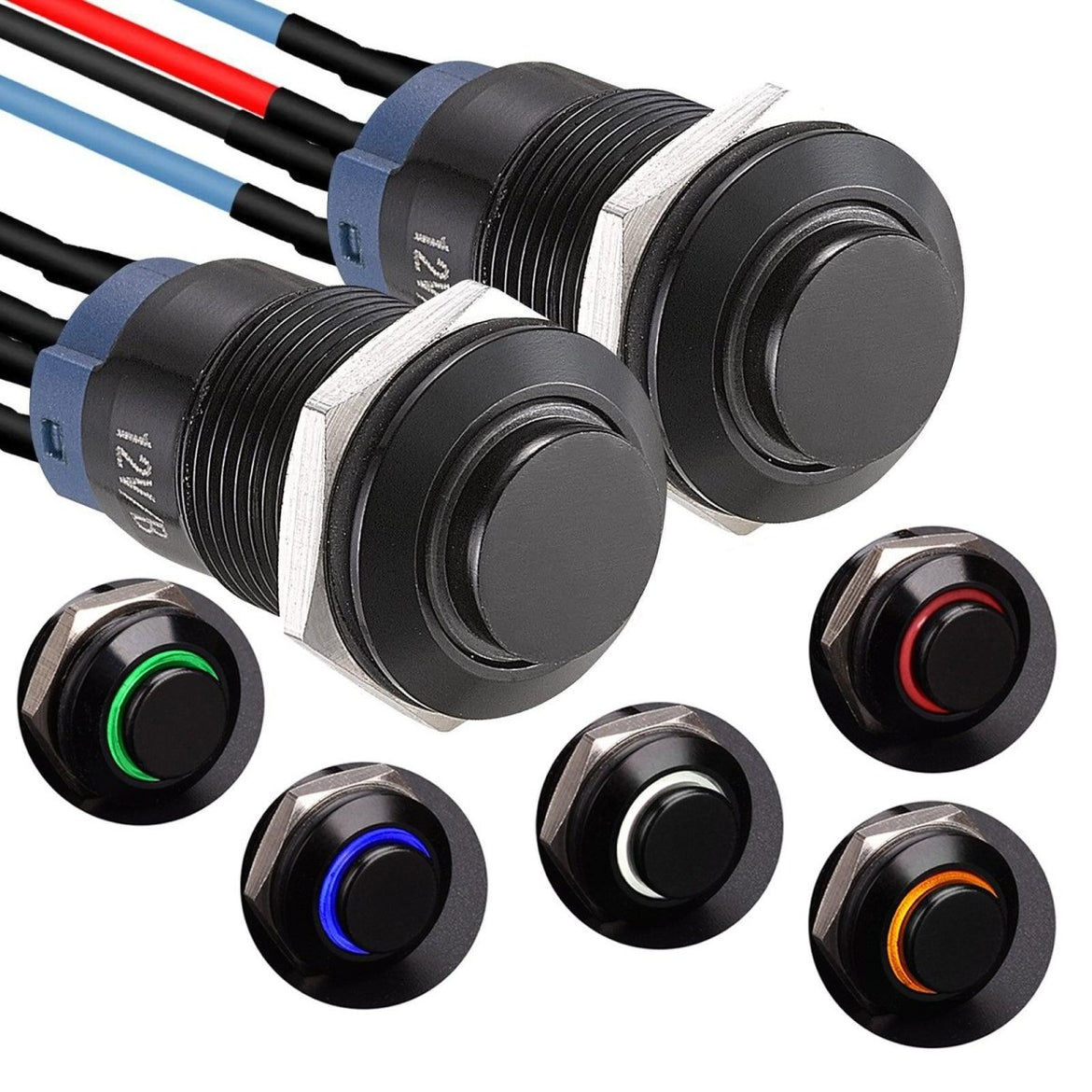
APIELE Pushbutton Switches for charging systems and safety interlocks
When considering the integration of pushbutton switches in electric vehicle charging systems and safety interlocks, APIELE stands out as a robust option. These switches cater to diverse EV demographics and emphasize charging etiquette while ensuring user safety and convenience. Their design reflects advancements in switch miniaturization, providing tactile feedback that enhances user interaction.
Key features include:
-
High IP ratings for dust and moisture protection, ensuring reliability in various environments.
-
Compact dimensions that facilitate seamless integration into charging systems and safety mechanisms.
-
Long lifecycle capabilities that support the durability required in modern EV applications.
As electric vehicles continue to evolve, APIELE pushbutton switches offer essential solutions for efficient and safe charging experiences.
Frequently Asked Questions
How Do Temperature Extremes Affect Switch Performance in EVS?
Temperature extremes critically influence switch performance in EVs, affecting hot endurance and thermal cycling resilience. Extreme cold can compromise functionality, while humidity impact may lead to corrosion, necessitating robust design for reliable operation across varying conditions.
What Are the Advantages of Surface-Mount Switches in EVS?
Like a fortress protecting crucial information, surface mount switches in EVs enhance switch reliability, optimize contact resistance, and improve EMI shielding, vital for effective EV sensing and ensuring robust performance in challenging automotive environments.
How Do IP Ratings Impact Switch Selection for EVS?
IP ratings substantially influence switch selection for EVs, determining enclosure protection against water ingress. Higher ratings ensure splash resistance and environmental sealing, critical for maintaining functionality and reliability in diverse operational conditions encountered in electric vehicles.
What Lifecycle Guarantees Do High-End EV Switches Offer?
High-end EV switches typically offer lifecycle warranties ranging from 100,000 to 5 million cycles. Durability testing assesses resting current and contact reliability, while analyzing potential failure modes ensures long-term performance in demanding environments.
How Do Charging-Door Switches Differ From Other Vehicle Switches?
Charging-door switches prioritize switch reliability, ergonomic design, and user interface for seamless operation. They often incorporate safety interlocks, distinguishing them from other vehicle switches, which may not require the same level of user interaction or safety features.
Conclusion
In a world where simplicity reigns, the sophisticated demands of electric vehicles paradoxically elevate the humble switch to an engineering marvel. These components, designed to withstand extremes of temperature and pressure, serve as the unsung heroes of EV reliability. Ironically, while drivers expect seamless operation at the touch of a button, the true complexity lies hidden beneath the dashboard. Consequently, in the quest for efficiency, the switch becomes a testament to the intricate dance of modern automotive innovation.