

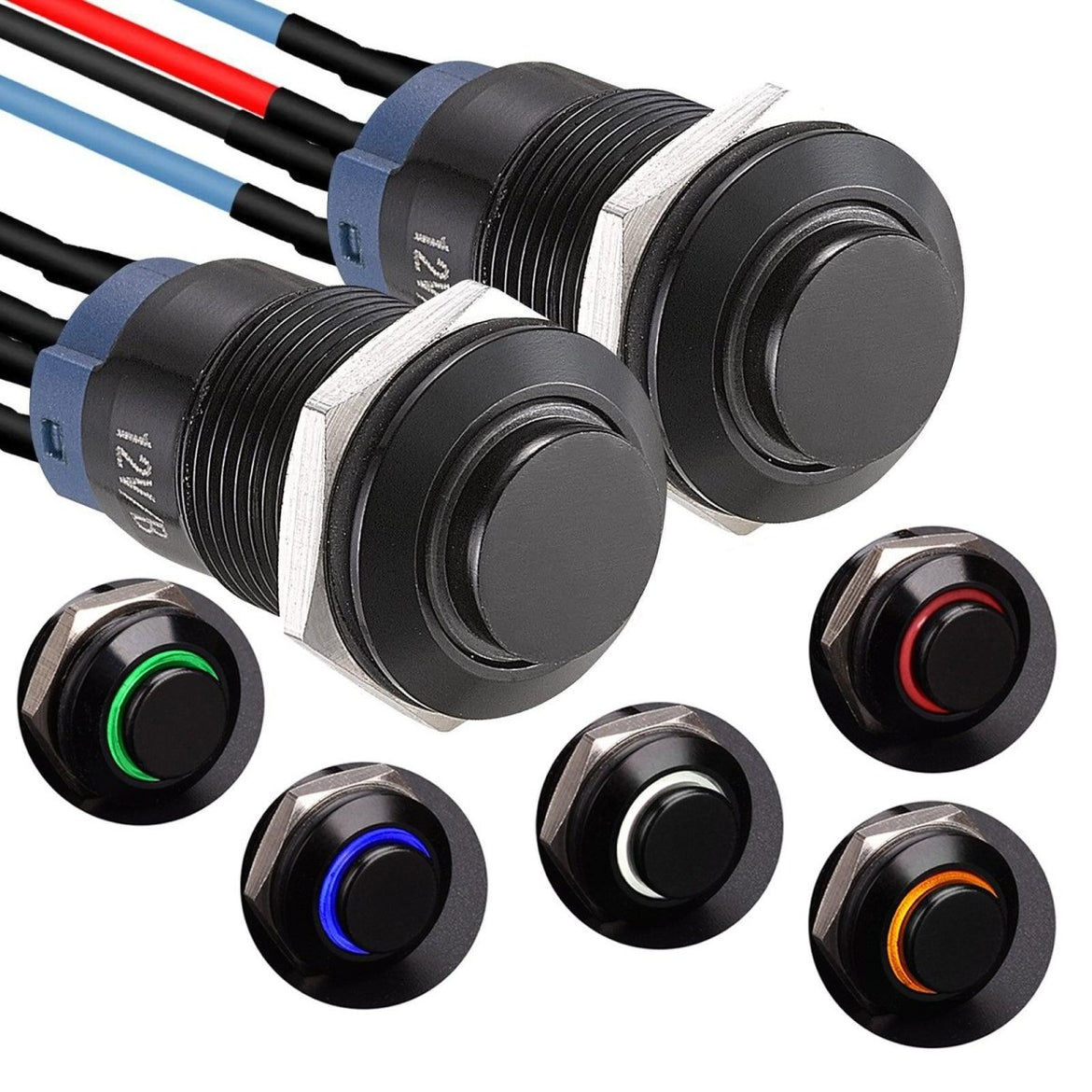

The Ultimate Low-Cost Anti-Theft Guide: How to Install a Hidden Fuel Pump Kill Switch
The Ultimate Low-Cost Anti-Theft Guide: How to Install a Hidden Fuel Pump Kill Switch
The installation of a hidden fuel pump kill switch presents a practical solution for enhancing vehicle security. This method effectively disrupts the fuel supply, rendering the engine inoperable to potential thieves. Understanding the mechanics of this approach can greatly aid car owners in protecting their assets. However, the nuances of installation and integration require careful consideration. What other security measures might complement this strategy?
Key Takeaways
- Identify the correct circuit for the fuel pump and ensure safety by disconnecting the battery before installation.
- Use quality connectors and secure techniques for cutting and integrating the kill switch into the fuel line.
- Test the switch’s functionality by confirming proper voltage readings and ensuring the engine does not start when interrupted.
- Conceal the switch in a hidden location, like beneath the dashboard, to deter potential thieves.
- Combine the fuel pump kill switch with other anti-theft measures for enhanced vehicle security and protection.
Why Low-Cost Anti-Theft Still Matters

Although vehicle theft continues to pose a considerable threat to car owners, the implementation of low-cost anti-theft measures remains an essential strategy for enhancing vehicle security.
Low-cost strategies, such as ignition kill switches or battery disconnect devices, provide effective theft prevention without requiring substantial financial investment. These anti-theft devices enhance vehicle security by disrupting the electrical systems that thieves rely on to operate stolen vehicles.
Cost-effective solutions not only deter potential thieves but also empower car owners with proactive control over their vehicle’s safety. By adopting these low-cost anti-theft measures, vehicle owners can considerably reduce the likelihood of theft, ensuring greater peace of mind and protection for their assets.
Understanding the Anti-Theft Logic: How Thieves Actually Operate

Understanding the methods employed by thieves is essential for developing effective anti-theft strategies. Thief behavior often relies on quick, opportunistic tactics, evaluating a vehicle’s security features before attempting theft. Criminals typically target vehicles with minimal anti-theft devices, as these present lower risk.
Effective theft prevention requires an extensive understanding of vehicle security systems, including ignition locks, alarm systems, and hidden kill switches. By employing advanced anti-theft devices, such as fuel pump kill switches, vehicle owners can notably increase the difficulty for potential thieves.
This added layer of security not only deters criminal tactics but also encourages thieves to abandon their attempts, reinforcing the importance of proactive measures in safeguarding one’s vehicle.
What Is a Fuel Pump Kill Switch (and What It Is Not)
A fuel pump kill switch is an essential anti-theft device designed to interrupt the fuel supply to a vehicle’s engine, effectively preventing it from starting. This mechanism targets various fuel pump types, ensuring that even if a thief gains access to the ignition system, they cannot fuel the engine.
Proper installation tips include carefully following wiring diagrams and ensuring secure connections to prevent accidental disconnection. Safety precautions must be prioritized during installation, such as disconnecting the battery to avoid electrical shocks.
Theft statistics indicate that vehicles equipped with kill switches are less likely to be stolen, serving as a deterrent. Ultimately, a fuel pump kill switch enhances vehicle security without extensive modification or cost.
Why Fuel Pump Kill Switches Are Ideal for Low-Cost Setups
Why are fuel pump kill switches considered ideal for low-cost setups?
These devices provide a cost-effective solution for enhancing vehicle security measures without significant financial investment. Fuel pump kill switches serve as effective anti-theft technologies by interrupting the fuel supply, making it impossible for potential thieves to start the engine.
Their straightforward installation process requires basic tools and minimal electrical knowledge, aligning perfectly with those seeking practical installation tips. Additionally, implementing such a switch contributes to emergency preparedness, allowing vehicle owners to control access to their cars easily.
This combination of affordability, effectiveness, and simplicity makes fuel pump kill switches a preferred choice for individuals prioritizing vehicle security on a budget.
Practical Installation Guide: How to Cut and Integrate a Fuel Pump Kill Switch Safely
In the installation of a fuel pump kill switch, it is essential to first identify the correct circuit to guarantee proper functionality.
Safety measures should be prioritized by disconnecting the battery before proceeding with any cuts.
Once the wire is cut and integrated into the circuit, thorough testing must be conducted to confirm that the system operates as intended before final assembly.
Identify the Correct Circuit (Before Cutting Anything)
Identifying the correct circuit is an important step in the installation of a fuel pump kill switch, as it guarantees that the device will effectively interrupt the fuel supply to the engine. Utilizing wire identification techniques, one can pinpoint the fuel pump wire by referencing circuit diagram basics. This confirms the switch will function correctly without compromising electrical safety practices. Understanding fuel pump functions is vital, as it aids in determining where to integrate the switch. Additionally, a switch types comparison can help select the most suitable option for discreet installation.
| Wire Type | Function | Switch Type |
|--------------------|------------------------|-----------------------|
| Fuel Pump Wire | Supplies fuel to engine | Toggle Switch |
| Ignition Wire | Powers the ignition | Push-Button Switch |
| Battery Wire | Supplies power | Key-Operated Switch |
Safety First: What to Disconnect Before Cutting
Before proceeding with the installation of a fuel pump kill switch, it is imperative to prioritize safety by disconnecting the vehicle’s battery. This precaution helps prevent accidental short circuits and electrical shocks during the installation process.
Installation tips include referencing circuit diagrams to identify wire types accurately, ensuring proper wire identification for the fuel pump circuit. Understanding theft statistics underscores the importance of such modifications, as they considerably deter potential thieves.
Additionally, using electrical tape to insulate connections can prevent future electrical issues. Adhering to these safety precautions not only simplifies the installation but also enhances the overall effectiveness of the anti-theft system, providing peace of mind for the vehicle owner.
Cutting the Wire: Where and How to Do It Properly
How can one guarantee a precise and safe installation of a fuel pump kill switch? The process begins with accurate circuit identification, ensuring the correct wire types are selected for cutting.
Utilizing appropriate cutting techniques, such as clean, straight cuts with wire cutters, is essential to maintain wire integrity. It is advisable to cut the fuel pump wire, typically located near the fuel tank or under the dashboard, where switch locations can remain discreet.
Installation tools like wire strippers and crimp connectors facilitate secure connections to the kill switch. After cutting, strip the ends of the wire and attach them to the switch terminals, ensuring all connections are insulated with electrical tape to prevent short circuits.
Integrating the Kill Switch into the Circuit
Accurate circuit identification lays the groundwork for effectively integrating a fuel pump kill switch into the vehicle’s electrical system.
The choice of kill switch types, whether ignition wire or fuel pump, greatly influences installation challenges. Proper wire gauge, typically 14 or 16, guarantees safe current flow and minimizes resistance.
When selecting switch locations, prioritize discreet yet accessible placements to enhance security features and deter potential thieves.
After cutting the identified wire, both ends must be securely connected to the switch terminals, guaranteeing solid electrical contact.
Utilizing quality connectors and insulating with electrical tape or heat shrink tubing is vital to prevent future malfunctions.
A meticulous approach during integration will yield a reliable anti-theft solution, protecting the vehicle from unauthorized access.
Testing Before Final Assembly
Testing the fuel pump kill switch before final assembly confirms that the installation functions correctly and safely. Thorough testing procedures should include verifying wiring connections and operational performance metrics. Users should engage in systematic trials to verify the switch interrupts the fuel flow effectively. Gathering installation feedback from peers can enhance understanding of best practices and common pitfalls, while user experiences reveal potential troubleshooting tips for common issues.
| Testing Procedure | Expected Outcome |
|-------------------------|---------------------------------------|
| Check power supply | Voltage reading matches specifications |
| Activate switch (OFF) | Engine should not start |
| Activate switch (ON) | Engine should start normally |
| Inspect connections | No loose or exposed wires |
| Document results | Maintain records for future reference |
Final Securing and Concealment
Final securing and concealment of a fuel pump kill switch is vital for ensuring both operational effectiveness and protection against theft. Selecting hidden locations, such as beneath the dashboard or inside the center console, greatly enhances security.
Various switch types, including toggle or push-button, can be employed, depending on personal preference. Installation tools like wire cutters, strippers, and crimp connectors are essential for proper circuit accessibility.
Effective wiring techniques, including secure connections and insulation with electrical tape, reduce the risk of accidental activation or failure. Once installed, the switch should be firmly mounted to prevent movement, ensuring it remains discreet yet functional.
Regular checks are advisable to maintain reliability and effectiveness against potential theft attempts.
Legal, Safety, and Reliability Considerations
Although kill switches are a practical solution for enhancing vehicle security, their installation and use must be approached with careful consideration of legal, safety, and reliability factors.
Legal implications vary by jurisdiction; therefore, understanding local installation regulations is vital to guarantee compliance. Additionally, adherence to safety standards is paramount to prevent unintentional vehicle malfunctions or hazards.
Reliability assessments should be conducted to verify that the chosen switch performs consistently, as failure could undermine the intended security measures. Moreover, installing a kill switch may yield insurance benefits, potentially lowering premiums by demonstrating proactive theft prevention.
Vehicle owners must weigh these considerations to guarantee their anti-theft measures are effective and legally sound while maintaining safety and reliability.
Is a Fuel Pump Kill Switch Enough? Layered Security Thinking
Is a fuel pump kill switch sufficient to deter determined car thieves? While effective as a single theft deterrent, it is advisable to adopt a layered security approach.
Combining a fuel pump kill switch with additional theft deterrents—such as an ignition wire kill switch, battery disconnect switch, or GPS vehicle monitoring—provides superior protection. This multi-faceted strategy not only complicates theft attempts but can also yield insurance benefits by demonstrating proactive security measures.
Additionally, community awareness initiatives, such as neighborhood watch programs, can enhance vehicle security through collective vigilance.
Ultimately, layering security measures fortifies defenses, making vehicles less attractive targets for thieves.
Frequently Asked Questions
Can I Install a Fuel Pump Kill Switch Myself?
Yes, a fuel pump kill switch can be installed independently. DIY installation tips include following wiring diagrams, using required tools, and adhering to safety precautions while troubleshooting issues to guarantee proper functionality and effectiveness.
Will a Fuel Pump Kill Switch Void My Car’s Warranty?
Warranty woes may arise with a fuel pump kill switch installation. Installation tips must consider warranty implications, while legal considerations, insurance impact, and maintenance concerns should be meticulously managed to avoid complications and guarantee vehicle protection.
How Discreet Should the Kill Switch Location Be?
The kill switch should be installed in hidden switch locations, utilizing stealthy installation tips and best concealment practices. Awareness of potential risks involved and consideration of alternative security measures enhance overall vehicle protection against theft.
What if I Forget Where I Installed the Switch?
Forgetting hidden switch locations can be mitigated by marking the installation spot, using visual cues, or creating a reminder. These techniques assist in remembering switch placement, ensuring ease of access when needed without revealing its location.
Can a Fuel Pump Kill Switch Affect My Car’s Performance?
A fuel pump kill switch may impact fuel pump functionality, potentially causing performance degradation. Proper installation instructions mitigate electrical system impact, addressing safety concerns while enhancing anti-theft measures without compromising vehicle efficiency when correctly utilized.
Conclusion
To summarize, the implementation of a hidden fuel pump kill switch serves as a modern-day fortification for vehicle security, echoing the ancient wisdom of building walls to deter invaders. This cost-effective solution not only thwarts potential theft but also empowers car owners with proactive measures. However, like a well-designed castle, it is most effective when combined with additional layers of protection, ensuring that one’s investment remains safeguarded against the ever-evolving tactics of would-be thieves.