

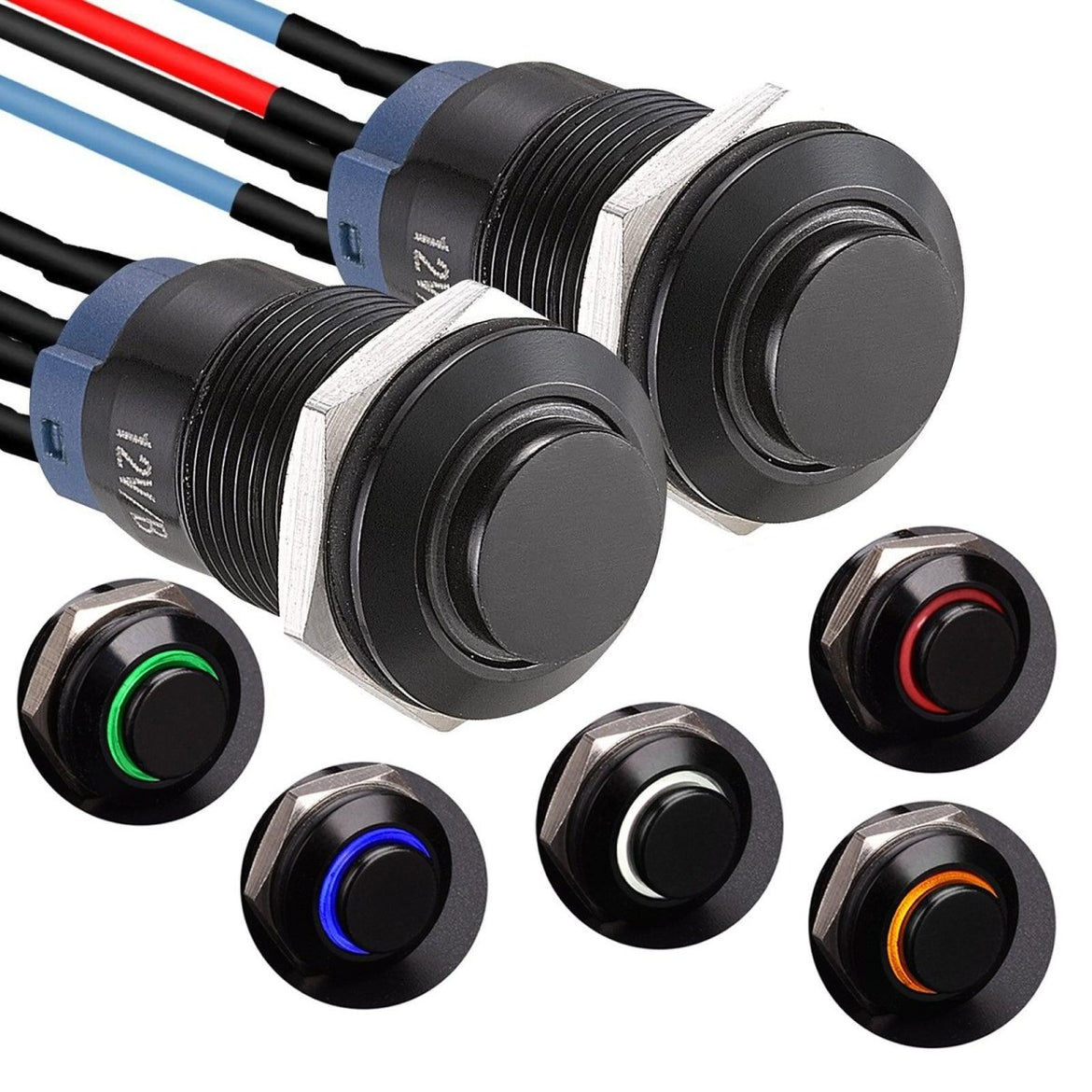

Pushbutton Switches in Motorsport Vehicles
Pushbutton Switches in Motorsport Vehicles
Pushbutton switches are integral components in motorsport vehicles, enhancing functionality and driver control. They facilitate quick access to essential systems, such as the Drag Reduction System and engine modes. Engineered for durability, these switches operate reliably under extreme conditions. Their customization potential allows teams to optimize performance. Understanding the types, applications, and design considerations of these switches reveals their critical role in race strategy and vehicle operation. The implications for race outcomes are profound.
Key Takeaways
- Pushbutton switches are essential for activating critical systems like Drag Reduction Systems (DRS) and engine performance modes in motorsport vehicles.
- Designed for durability and reliability, these switches withstand extreme racing conditions while ensuring optimal functionality.
- Ergonomic layouts allow for quick and intuitive access, minimizing driver distraction during high-pressure situations.
- Safety features are integrated to ensure reliable operation, especially in pit lanes and during rapid maneuvers.
- Customization options enable teams to tailor switches to specific needs, enhancing vehicle performance and communication efficiency.
Introduction

In the domain of motorsport vehicles, the integration of pushbutton switches has become a pivotal aspect of race car design and functionality.
These switches are engineered with an emphasis on safety features, ensuring that drivers can operate critical systems with minimal distraction. Switch durability is paramount, as components must withstand extreme conditions while maintaining reliability.
Ergonomic design facilitates intuitive use, allowing drivers to execute commands swiftly during high-pressure scenarios. Additionally, customization options enable teams to tailor switches to specific requirements, optimizing the driver’s interaction with the vehicle.
The performance impact of these switches is significant, as they directly influence vehicle responsiveness and driver control, thereby enhancing overall racing performance. This technological advancement underscores the necessity of precision in modern motorsport.
Types of pushbutton switches used in motorsport

Pushbutton switches play a critical role in the operational efficiency of motorsport vehicles, facilitating essential functions that enhance performance and driver control. Various types of pushbutton switches are utilized, including those designed for drag reduction systems, which allow drivers to adjust aerodynamic settings for optimized speed.
Engine control switches permit the selection of specific performance modes tailored for overtaking or fuel conservation. In the pit lane, specialized switches guarantee compliance with speed regulations while enabling driver communication with mechanics.
Additionally, safety features are integrated into pushbutton designs, guaranteeing that critical functions are executed reliably under extreme conditions. These switches exemplify advanced engineering, combining functionality and durability for the demanding environment of motorsport racing.
Common Applications of Pushbutton Switches in Motorsport Vehicles

Numerous applications of pushbutton switches in motorsport vehicles are critical to optimizing performance and ensuring safety. These switches facilitate various driving strategies, such as activating the Drag Reduction System (DRS) to enhance overtaking capabilities through performance enhancements.
Pushbutton switches are essential in motorsport, enhancing performance and safety through key functionalities like DRS activation.
Additionally, they serve essential safety features by limiting vehicle speed in pit lanes and enabling instant communication between drivers and their teams via talkbuttons.
Technology advancements have allowed for the integration of multifunctional controls, such as engine mode selection and neutral engagement, which streamline operations during races.
The precision and reliability of pushbutton switches are paramount, as they directly impact race outcomes and team communication, underscoring their indispensable role in the high-stakes environment of motorsport.
Design Considerations for Motorsport Pushbutton Switches
While designing pushbutton switches for motorsport applications, engineers must consider several vital factors to guarantee peak performance under extreme conditions. Key design elements include ergonomic design for ease of use, rigorous durability testing to withstand high-stress environments, and appropriate material selection to promote longevity. Tactile feedback is essential for driver confidence, allowing precise control during high-speed maneuvers. Environmental resistance is significant, as switches must endure temperature fluctuations, moisture, and debris exposure.
| Design Factor | Importance | Considerations |
|---|---|---|
| Ergonomic Design | Facilitates quick driver access | Shape and placement |
| Durability Testing | Promotes reliability under stress | Load cycles and lifespan |
| Material Selection | Impacts performance and longevity | Corrosion-resistant compounds |
| Tactile Feedback | Enhances operational precision | Button actuation feel |
| Environmental Resistance | Protects against adverse conditions | Sealing and coatings |
Pushbutton Switches on a Formula 1 Steering Wheel
The integration of pushbutton switches on a Formula 1 steering wheel exemplifies the culmination of advanced engineering and ergonomic design, tailored to enhance driver performance in high-stakes racing environments.
Each switch serves a distinct function, such as DRS activation, enabling drivers to optimize aerodynamics for overtaking. Additionally, a dedicated button manages speed limitations in the pit lane, ensuring compliance with regulations.
Each pushbutton switch plays a crucial role, from DRS activation for aerodynamic efficiency to pit lane speed regulation compliance.
Engine mode selection switches provide versatility, allowing drivers to adapt their vehicle’s performance characteristics dynamically.
Safety features are also paramount; switches are strategically placed to facilitate rapid access without compromising control.
This meticulous arrangement underscores the focus on ergonomic design, ensuring that drivers can execute critical decisions with precision and speed during intense competition.
Installation and Maintenance Tips
Effective installation and maintenance of pushbutton switches in motorsport vehicles are vital for peak performance and reliability. Technicians often encounter installation challenges due to space constraints and the need for precise alignment.
Adhering to maintenance best practices, such as regular inspections and cleaning, mitigates potential failures. Implementing troubleshooting techniques, like continuity tests, can quickly identify faulty connections.
Replacement guidelines should be followed meticulously, confirming that only compatible and high-quality switches are used to maintain circuit integrity. Additionally, focusing on performance enhancement through proper wiring and minimizing electromagnetic interference boosts switch responsiveness.
Frequently Asked Questions
How Do Pushbutton Switches Enhance Driver Performance During a Race?
Pushbutton switches enhance driver performance by facilitating quick actions through ergonomic design and intuitive controls. This allows drivers to maintain focus on race strategy, optimizing their ability to respond swiftly to dynamic race conditions.
What Materials Are Commonly Used for Pushbutton Switches in Motorsport?
Ironically, the simplest buttons often utilize complex materials: plastic composites, metal housings, silicone seals, circuit boards, and conductive coatings. Each component meticulously engineered to guarantee reliability and performance under the extreme conditions of racing environments.
Can Pushbutton Switches Be Customized for Specific Team Needs?
Yes, pushbutton switches can be customized through custom switch designs, team branding options, ergonomic button placement, color coding systems, and switch feedback mechanisms, ensuring ideal functionality and alignment with team specifications and preferences.
What Is the Lifespan of Pushbutton Switches in Extreme Racing Conditions?
The lifespan of pushbutton switches in extreme racing conditions hinges on durability testing, environmental factors, switch ratings, and rigorous maintenance practices; failure analysis reveals critical insights, ensuring peak performance under the most demanding circumstances.
How Do Pushbutton Switches Impact Vehicle Weight and Performance?
Pushbutton switches contribute to vehicle weight reduction through their lightweight design, enhancing electrical efficiency and improving weight distribution. This optimization of performance is essential, as it guarantees component reliability under extreme racing conditions, ultimately boosting overall performance.
Conclusion
In the high-octane domain of motorsport, pushbutton switches serve as the unsung sentinels of control, quietly orchestrating the symphony of performance beneath the roar of engines. Their robust design and bespoke features transform the steering wheel into a cockpit of precision, allowing drivers to navigate the delicate dance of speed and strategy. As teams refine these critical components, the whispers of innovation continue to resonate, ensuring that every race is a demonstration of engineering excellence and driver acumen.