

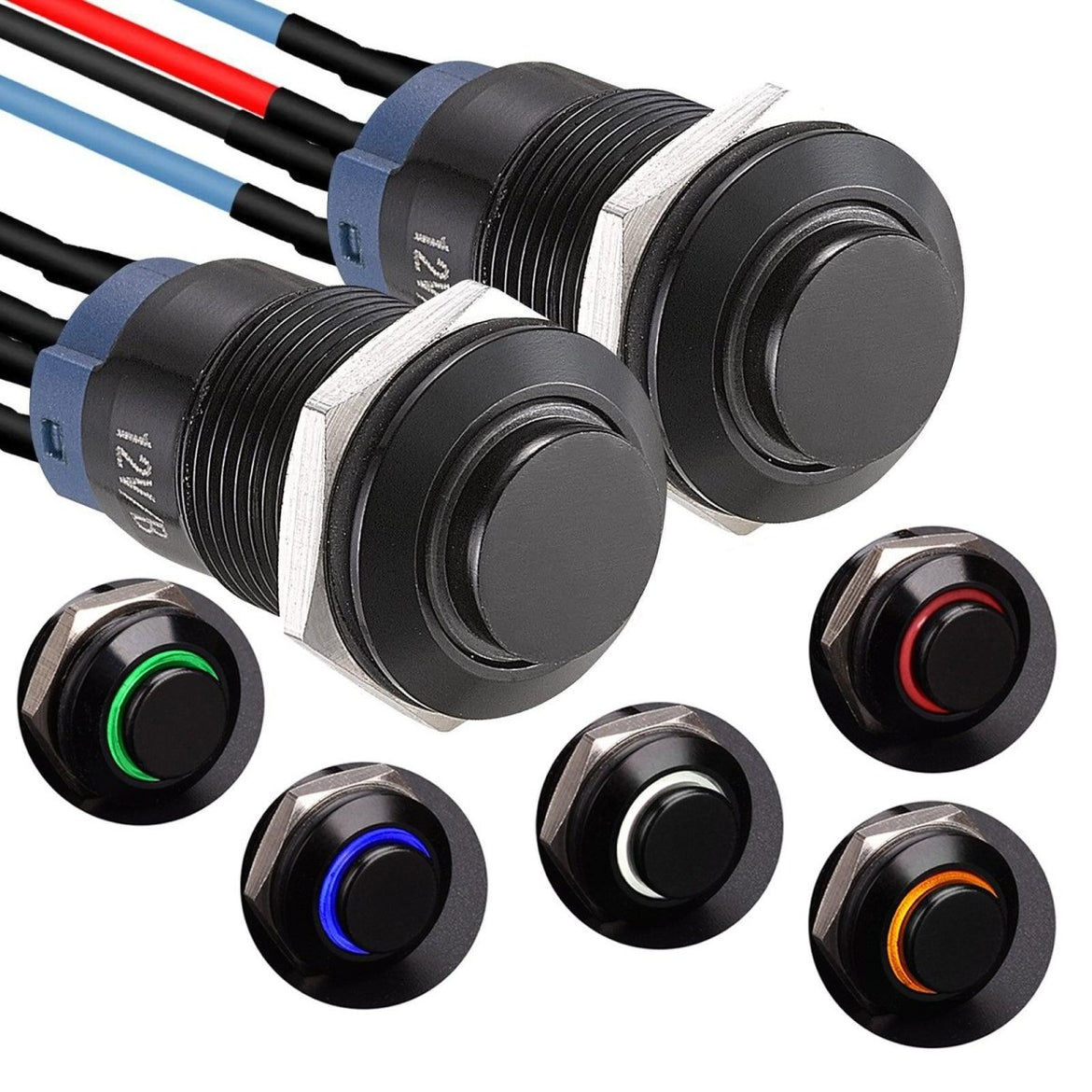

The Ultimate Guide to Diagnosing a Malfunctioning Car Switch
The Ultimate Guide to Diagnosing a Malfunctioning Car Switch
A malfunctioning car switch is crucial to vehicle performance and safety. Understanding its functions and potential failure causes is fundamental for effective troubleshooting. Common issues arise from wear and tear, misalignment, and debris accumulation. Symptoms include starting failures, resistance in key operation, and dashboard alerts. Proper diagnostic testing and tools are essential for evaluating electrical connections and fuses. Further exploration reveals systematic approaches to enhance diagnostic accuracy and address failures effectively.
Key Takeaways
- Begin with a systematic visual and mechanical inspection of the ignition system components to identify any obvious issues.
- Check for wear and tear on the ignition lock and ensure there are no debris obstructions affecting operation.
- Utilize diagnostic tools, such as multimeters and circuit testers, to verify electrical connections and continuity.
- Monitor for symptoms like difficulty turning the key and dashboard warning lights to pinpoint potential failures.
- Regular maintenance and timely interventions can significantly enhance the reliability and longevity of the ignition system.
Introduction

Diagnosing a malfunctioning car switch requires a systematic approach to identify the underlying issues affecting vehicle operation. A detailed examination of the ignition system is essential, as it is integral to starting the vehicle and powering essential electrical connections.
Key programming may also play a role in ensuring the switch functions correctly, particularly in modern vehicles equipped with advanced anti-theft systems. Additionally, adherence to vehicle maintenance protocols can prevent ignition switch failures, enhancing reliability and safety features.
Electric components must be inspected meticulously for wear or damage, as they can disrupt the ignition process. Ultimately, a thorough understanding of these elements is vital for accurately diagnosing and resolving ignition switch-related issues.
Switch Function and Failure Causes

The ignition switch is a critical component that facilitates the connection between the car battery and various electrical systems, including the starter motor.
Understanding its operational functions, alongside identifying common causes of failure, is essential for diagnosing issues effectively.
Factors such as wear and tear, dirt accumulation, and electrical surges can greatly impair the ignition switch’s performance, leading to operational failures.
What is the Ignition Switch and How Does It Work?
The ignition switch is a crucial electrical component that connects the car battery to essential systems, including the starter motor and engine control unit.
It operates through four key positions—Off, Accessory, On, and Start—each serving specific functions for vehicle operation.
Additionally, the ignition switch incorporates security features, such as immobilisers and transponder chips, to enhance theft prevention while highlighting the importance of understanding its operational principles and potential failure causes.
Key Function
An ignition switch serves as an essential component in a vehicle’s electrical system, connecting the car battery to critical systems such as the starter motor and engine control unit (ECU).
Key maintenance includes regular inspections and switch repair, vital for effective ignition troubleshooting.
Employing electrical diagnostics guarantees functionality, while adhering to safety precautions mitigates risks associated with ignition switch failures, enhancing overall vehicle reliability.
Operating Principle
Operating as a critical interface in a vehicle’s electrical system, the ignition switch facilitates the connection between the car battery and essential components such as the starter motor and engine control unit (ECU).
Through advanced ignition technology, it guarantees electrical safety, enhances automotive security, and aids in effective vehicle maintenance.
Proper utilization of diagnostic tools is vital for identifying failure causes within this integral component.
Four Key Positions
Understanding the four key positions of an ignition switch is essential for diagnosing operational issues within a vehicle’s electrical system. Each position serves a specific function related to ignition technology and electrical safety.
| Position | Function |
|---|---|
| Off | Powers down all electrical components |
| Accessory | Activates accessories without engine |
| On | Engages main electrical systems |
| Start | Initiates engine operation |
Proper automotive maintenance guarantees vehicle security and facilitates key replacement when necessary.
Security Feature
The ignition switch plays an essential role in a vehicle’s security system, acting as the gateway for electrical signals that control the engine and various electrical components.
Its reliability is crucial for effective theft prevention and the functionality of anti-theft systems.
Proper operation enhances vehicle safety, ensuring that security measures are upheld through consistent ignition performance and electrical integrity.
Common Causes of Switch Failure (Root Causes)
Common causes of ignition switch failure include wear and tear from repeated use, which can compromise its functionality over time.
Additional factors such as excessive strain from heavy keychains, accumulation of debris, and electrical stress from power surges may further exacerbate these issues.
Physical damage to the switch also plays a significant role in its malfunction, necessitating careful inspection and maintenance.
Wear and Tear
Although various factors can contribute to the failure of an ignition switch, wear and tear from regular usage remains the predominant cause.
The following elements illustrate this issue:
-
Accumulation of wear patterns affecting switch durability.
-
Exposure to mechanical stress during operation.
-
Deterioration of electrical connections over time.
-
Insufficient maintenance tips leading to premature failure.
Addressing these aspects is vital for ideal switch performance.
Heavy Keychain Strain
Heavy keychain strain represents a significant yet often overlooked factor contributing to ignition switch failure.
The excessive keychain weight can place undue stress on the ignition key and its associated components, leading to misalignment and premature wear.
Regular switch maintenance is essential to mitigate this strain, while awareness of automotive accessories’ weight can prevent the need for costly ignition replacement.
Debris and Dirt
Excessive weight on a keychain is not the only concern affecting ignition switch performance; debris and dirt accumulation can substantially impede switch operation.
Effective switch cleaning is essential to maintain functionality.
-
Implement regular debris removal protocols.
-
Monitor for dirt accumulation around the ignition area.
-
Follow maintenance tips for ideal switch performance.
-
Utilize prevention strategies to minimize contaminants.
Electrical Stress (Power Surges)
Power surges pose a significant threat to the integrity of ignition switches, potentially leading to premature failure.
The power surge effects disrupt electrical system stability, compromising ignition system maintenance.
Implementing effective troubleshooting techniques is crucial for identifying vulnerabilities.
Understanding vehicle reliability factors guarantees that ignition switches withstand electrical stress, thereby prolonging their lifespan and enhancing overall vehicle performance.
Physical Damage
Electrical stress from power surges can compromise ignition switch functionality, leading to increased vulnerability to physical damage.
The following factors contribute to operational limitations in the ignition switch:
-
Wear patterns from frequent use.
-
Misalignment of the key affecting engagement.
-
Corrosion of electrical connections disrupting signal transmission.
-
External impacts resulting in structural damage to the switch mechanism.
Addressing these issues is essential for peak performance.
Symptom Recognition and Preliminary Checks

In diagnosing a malfunctioning car switch, recognizing common failure symptoms is essential for an accurate assessment.
Preliminary checks involve ruling out misdiagnoses without tools, followed by a thorough visual and mechanical inspection of the ignition system components.
These steps are critical in determining the underlying issues that may affect vehicle operation.
Common Failure Symptoms
Common failure symptoms of a malfunctioning car switch can manifest in several ways, including ignition or starting failures, physical or tactile anomalies, and erratic electrical behavior.
Recognition of these symptoms is essential for diagnosing underlying issues, as they may indicate problems with the ignition switch, wiring, or other electrical components.
Preliminary checks, such as evaluating the functionality of the ignition system and reviewing the condition of associated fuses, can provide valuable insights into the extent of the malfunction.
Ignition/Starting Failure
Ignition and starting failures can manifest through a variety of distinct symptoms, each providing critical insights into underlying issues within the vehicle’s ignition system.
Key indicators include:
-
Difficulty turning the ignition key, suggesting potential ignition lock maintenance needs.
-
Electrical connection troubleshooting for intermittent starts.
-
Starter solenoid issues, indicated by clicking sounds.
-
Malfunctioning anti-theft mechanisms preventing vehicle operation.
Key replacement options may also be necessary.
Physical/Tactile Anomalies
Recognizing physical and tactile anomalies in the ignition system is essential for diagnosing potential failures. Notable signs include excessive mechanical wear on the ignition lock, compromised electrical connections, or abnormal key resistance during operation.
Employing diagnostic techniques while adhering to safety precautions guarantees accurate assessment. Identifying these issues early prevents further complications, enhancing overall vehicle reliability and performance.
Electrical Gremlins
Electrical gremlins can manifest in various unpredictable behaviors within a vehicle’s electrical system, often leading to frustrating and perplexing issues for the driver. Recognizing these symptoms is essential for effective ignition troubleshooting techniques.
Key failure may necessitate key replacement options, while starter solenoid issues can disrupt functionality. Employing systematic electrical system diagnostics and adhering to vehicle maintenance tips can mitigate these electrical anomalies.
-
Unresponsive dashboard indicators
-
Intermittent electrical accessory failures
-
Engine stalling during operation
-
Inconsistent ignition performance
Step 1: Rule Out Common Misdiagnoses (No Tools Required)
A thorough initial assessment of a malfunctioning car switch is essential for effective troubleshooting, as various symptoms may mimic one another.
Key maintenance practices include verifying that the ignition key is free of wear, ensuring it engages properly within the ignition lock.
Electrical safety must be prioritized by checking for blown fuses or weak battery connections, as these can lead to misdiagnosis.
Component inspection should aim to identify visible signs of wear or obstruction that could disrupt function.
Diagnostic tools, while not required at this stage, can assist in confirming findings.
Understanding these factors is vital for enhancing vehicle security and ensuring proper functionality, ultimately guiding the technician toward accurate diagnosis and resolution.
Step 2: Visual and Mechanical Inspection
While conducting a visual and mechanical inspection of a malfunctioning car switch, it is essential to systematically identify and analyze symptoms that may indicate underlying issues.
This process involves scrutinizing the ignition lock, ensuring that all electrical connections are intact, and evaluating the overall condition of the starter system. Key maintenance is critical, as a worn or damaged key can impede functionality.
Additionally, fuse replacement should be considered if any electrical anomalies are present. The following checks are recommended:
-
Inspect the ignition lock cylinder for wear.
-
Examine electrical connections for corrosion or damage.
-
Verify starter system operations by testing relay and solenoid functions.
-
Evaluate fuses for continuity and signs of burn damage.
Tools and Safety Preparation
Proper tools and safety preparation are essential for diagnosing a malfunctioning car switch effectively. Technicians should equip themselves with appropriate safety gear, including gloves and safety goggles, to mitigate risks associated with electrical components.
Diagnostic tools such as multimeters and circuit testers are vital for evaluating electrical connections, ensuring accurate readings during troubleshooting. Employing systematic troubleshooting techniques allows for the identification of faults within the ignition system.
Regular maintenance tips, such as inspecting wiring for wear and ensuring fuses are intact, further assist in preventing future issues. By adhering to these guidelines, automotive professionals enhance their diagnostic accuracy and safeguard their well-being while addressing complex electrical problems within vehicle systems.
Core Diagnostic Testing: Fuses and Electrical Circuits
Core diagnostic testing of fuses and electrical circuits is essential for identifying ignition switch issues.
The process begins with checking the fuse and ignition relay for functionality, followed by confirming power input through a voltage check.
Finally, testing switch continuity verifies that the ignition switch operates correctly within the electrical system.
Step 1: Fuse and Ignition Relay Check
A thorough examination of fuses and ignition relays is vital for diagnosing ignition system malfunctions. This step guarantees that the ignition switch and its associated electrical components are receiving the necessary power for peak operation.
Adhering to safety protocols during this process is essential to prevent accidents or further damage.
-
Inspect fuses: Locate the fuse box and check for burnt fuses related to the ignition system.
-
Test the starter relay: Verify that the relay is functioning by using a multimeter for continuity.
-
Check battery maintenance: Confirm the battery is fully charged and connections are secure.
-
Evaluate wiring: Inspect for damaged wires that could disrupt electrical signals to the ignition switch.
Step 2: Confirm Power Input (Voltage Check)
Following the initial inspection of fuses and ignition relays, confirming power input through a voltage check is an essential procedure in diagnosing ignition system issues.
Technicians should utilize a multimeter to measure voltage at the ignition lock terminals, ensuring an adequate power supply. A voltage drop may indicate poor electrical connections or wiring issues that could impair the ignition switch’s functionality.
If the voltage is below the expected range, further investigation is warranted to identify potential faults in the wiring or the ignition system itself. Additionally, if symptoms persist, key replacement may be necessary if the key’s electronic components are compromised.
Addressing these factors promptly can prevent more significant ignition problems from occurring.
Step 3: Test Switch Continuity
Testing switch continuity is a critical step in diagnosing ignition switch problems, as it helps verify the integrity of electrical circuits within the ignition system. This process guarantees that the various ignition switch types function correctly, which is essential for vehicle operation.
The following steps should be undertaken:
-
Utilize a multimeter set to the continuity test mode.
-
Disconnect the ignition switch from its wiring harness.
-
Probe the switch terminals to confirm a continuous circuit when the switch is activated.
-
Compare findings with the electrical circuit basics to identify any discrepancies.
Understanding fuse testing methods alongside switch continuity will aid in pinpointing common ignition repairs, including potential key replacement options if necessary.
Failure Modes and Solutions
Identifying failure modes associated with a malfunctioning ignition switch is crucial for effective troubleshooting and resolution. Common issues include worn keys, damaged ignition cylinders, and faulty electrical connections. Implementing ignition maintenance tips can considerably reduce the likelihood of these failures.
| Failure Mode | Solution |
|---|---|
| Key won’t turn | Explore key replacement options |
| Engine stalls | Conduct electrical connection troubleshooting |
| Inconsistent power | Consider ignition system upgrades |
Addressing these failure modes promptly guarantees vehicle security enhancements and operational reliability. Regular inspections and timely interventions can prevent escalation into more severe issues, ultimately leading to a smoother driving experience.
Frequently Asked Questions
How Long Does It Take to Diagnose a Faulty Ignition Switch?
Diagnosing a faulty ignition switch typically requires 1 to 2 hours, depending on symptoms, switch testing, and examination of electrical connections within the ignition circuit. Effective troubleshooting techniques enhance diagnostic efficiency and accuracy.
Can a Bad Ignition Switch Drain the Car Battery?
A malfunctioning ignition switch can indeed contribute to battery drainage issues. Symptoms may include erratic electrical system behavior. Effective troubleshooting techniques involve checking for continuity and monitoring replacement indicators to guarantee peak vehicle performance.
Are There Any DIY Fixes for Ignition Switch Problems?
Approximately 10% of ignition switch failures lead to unexpected vehicle stalls. DIY fixes include identifying ignition switch symptoms, employing troubleshooting techniques, performing common repairs, and adhering to safety precautions, though professional assistance is advisable for complex issues.
What Are the Costs of Replacing an Ignition Switch?
Costs for replacing an ignition switch vary based on symptoms, replacement options, and vehicle type. Labor expenses typically range from $100 to $200, with warranty coverage potentially mitigating overall costs depending on the provider and vehicle age.
How Can I Prevent Ignition Switch Failure in the Future?
To prevent ignition switch failure, implement preventative maintenance by regularly checking the electrical system, ensuring proper ignition timing, maintaining battery care, and utilizing a functioning key fob to mitigate wear on the ignition components.
Conclusion
To summarize, understanding the intricacies of ignition switch diagnostics empowers vehicle owners to tackle potential issues with confidence. The theory that a malfunctioning switch can be the root cause of various electrical failures holds true, as many symptoms often overlap, complicating the diagnosis. By methodically applying the techniques outlined in this guide, individuals can not only identify and rectify problems but also cultivate a deeper appreciation for the complex systems that underpin their vehicles’ performance and reliability.