

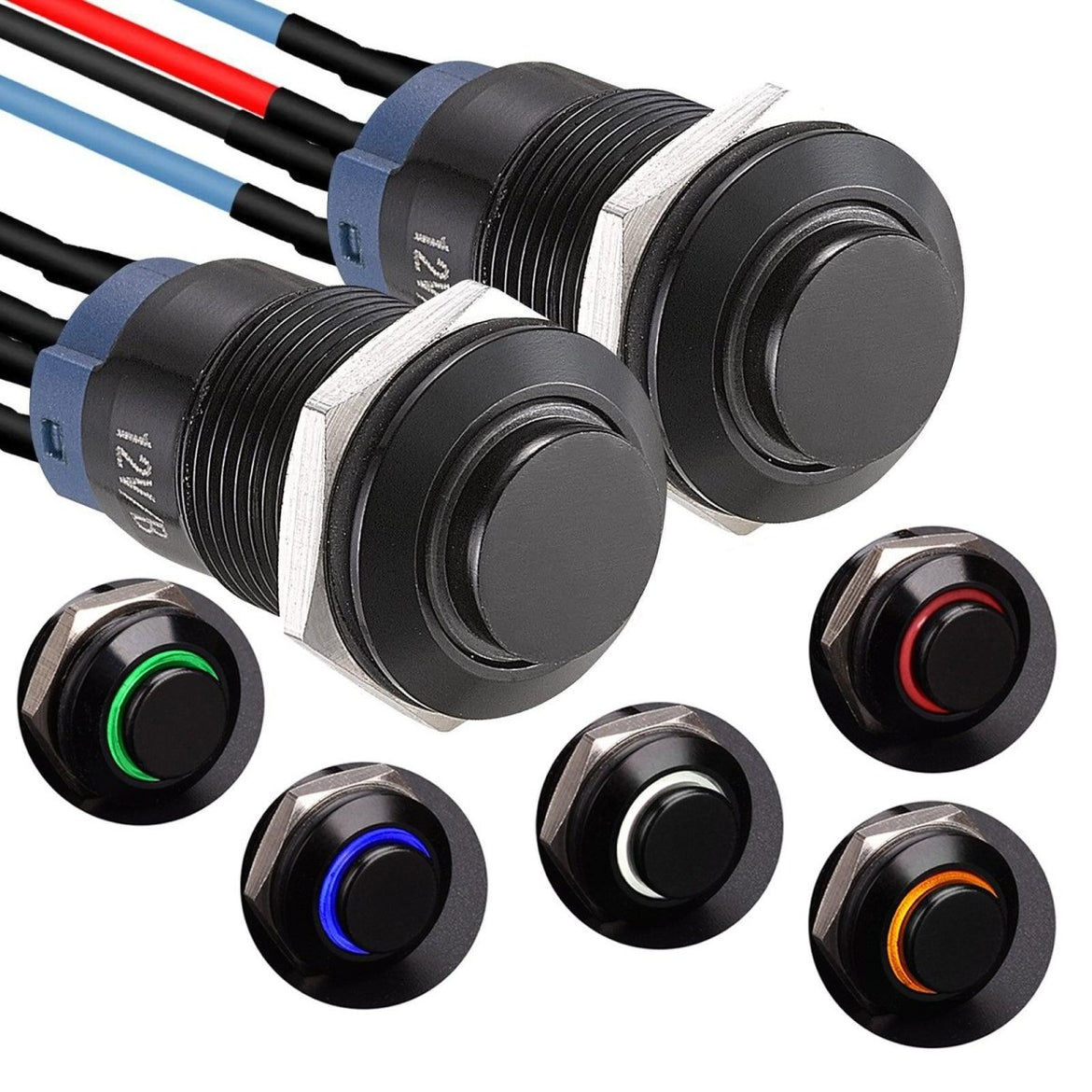

5 Things to Know Before Replacing Your Car’s Pushbutton Start Switch
5 Things to Know Before Replacing Your Car’s Pushbutton Start Switch
Before replacing a car’s pushbutton start switch, it is essential to guarantee proper professional preparation. Technicians must prioritize safety by disconnecting the battery and verifying capacitor discharge. Precision in part matching to the vehicle VIN prevents installation issues. Accessing thorough technical documentation aids in accurate removal and programming processes. Finally, conducting post-installation testing, including system diagnostics and function verification, guarantees peak performance. Additional insights on installation best practices await further exploration.
Key Takeaways
- Ensure you disconnect the negative battery terminal and wait for capacitors to discharge to prevent electrical hazards during installation.
- Verify part compatibility with your vehicle’s VIN to avoid malfunctions and ensure proper functioning of the pushbutton system.
- Utilize the OEM repair manual for specific procedures and compatibility issues relevant to your car’s make, model, and year.
- Document the existing wiring by photographing connectors for accurate reassembly and reference during installation.
- After installation, conduct thorough testing to ensure proper functionality across all ignition modes and check for any trouble codes.
Introduction: Why Professional Preparation is Key

How crucial is professional preparation when replacing a car’s pushbutton start switch?
Professional installation is critical to guarantee peak functionality and safety. Proper preparation begins with understanding the vehicle’s wiring diagrams, which provide a clear roadmap for connecting the new switch without errors.
Adhering to safety precautions, such as wearing gloves and goggles, protects the technician from potential hazards. Additionally, familiarity with troubleshooting techniques is essential for diagnosing any issues that may arise during or after installation.
A thorough list of tool requirements, including wire strippers, multimeters, and screwdrivers, should be compiled before commencing work.
The Ultimate Safety Checklist: Power Down and Protect

Prior to replacing a car’s pushbutton start switch, it is vital to follow a thorough safety checklist.
First, strictly disconnect the negative battery terminal to eliminate electrical hazards.
Next, verify that capacitors are fully discharged and remove critical fuses to achieve double electrical isolation, greatly reducing the risk of accidental short circuits during the installation process.
The Power-Down Rule: Strictly Disconnect the Negative Battery Terminal
Disconnecting the negative battery terminal serves as a critical safety measure during the installation of a pushbutton start switch. This action guarantees electrical isolation from the vehicle’s electrical system, mitigating risks associated with accidental shorts or electrical shocks. Adhering to safety precautions, such as wearing gloves, is crucial. Proper battery disconnect techniques prevent capacitor discharge, guaranteeing that stored energy does not interfere with installation.
| Step | Description | Importance |
|---|---|---|
| Locate Negative Terminal | Identify and access the negative terminal of the battery | Guarantees correct disconnection |
| Use Proper Tools | Utilize appropriate tools to loosen the terminal | Prevents damage to the battery |
| Secure Terminal | Confirm the terminal is securely isolated | Avoids accidental reconnection |
Following these steps is essential for a safe installation process.
Waiting Period: Ensure Capacitors are Fully Discharged
Guaranteeing safety during the installation of a pushbutton start switch necessitates a thorough waiting period to allow capacitors to fully discharge. This step is critical for maintaining electrical safety and preventing potential hazards.
The following actions should be taken during this waiting period:
-
Verify that all installation tools are properly stored and insulated.
-
Review wiring diagrams to guarantee understanding of the electrical system.
-
Implement troubleshooting techniques to identify any pre-existing issues.
-
Allow sufficient time for capacitor discharge, typically 10-30 minutes, depending on the vehicle model.
Removing Critical Fuses: Double Electrical Isolation
To enhance electrical safety during the installation of a pushbutton start switch, removing vital fuses serves as an essential step for double electrical isolation.
Employing effective fuse removal techniques guarantees that power is cut off from the ignition and related circuits, markedly reducing the risk of electrical shock or damage.
Implementing robust electrical isolation methods, such as disconnecting the vehicle’s battery, complements this step and reinforces automotive wiring safety.
During pushbutton switch maintenance, it is important to check for any blown fuses that might indicate underlying issues.
This proactive approach aids in troubleshooting electrical issues, ensuring a reliable and safe installation.
Ultimately, adhering to these practices mitigates potential hazards and enhances the overall functionality of the pushbutton start system.
Precision Part Match: Unlocking the Immobilizer Programming Code

Precision in matching parts to the vehicle identification number (VIN) is vital for successful immobilizer programming.
Understanding the communication protocols, such as CAN-Bus and LIN Bus, guarantees compatibility and effective interaction between the pushbutton start switch and the vehicle’s electronic systems.
APIELE’s commitment to quality above standard further enhances reliability in the installation process, safeguarding against potential malfunctions.
Part-to-VIN Binding: Match the VIN
Part-to-VIN binding is a critical process in modern automotive technology, particularly when dealing with push button start systems and their integration with vehicle immobilizers. This process guarantees that the new pushbutton switch is compatible with the vehicle’s unique VIN, enhancing security and functionality.
-
Guarantees proper VIN verification process
-
Confirms pushbutton switch compatibility with vehicle systems
-
Requires wiring diagram analysis for accurate connections
-
Facilitates keyless entry integration and security feature enhancements
Accurate part-to-VIN binding is essential for successful installation and operation. Ignoring this step may result in system malfunctions or security vulnerabilities.
Mastery of this process involves understanding each vehicle’s specifications and ascertaining that all components are correctly matched to the VIN for peak performance.
Recognizing Communication Protocols: CAN-Bus/LIN Bus
A thorough understanding of communication protocols, such as CAN-Bus and LIN Bus, is fundamental for effectively accessing the immobilizer programming code during the installation of a push button start switch.
The CAN bus advantages include high-speed data transmission and robustness, making it suitable for complex vehicle networks. In contrast, LIN Bus applications are geared towards simpler devices, often used for controlling non-critical functions.
Both protocols guarantee communication reliability, which is essential for the seamless operation of vehicle systems. Additionally, diagnostic protocols integrated within these frameworks facilitate troubleshooting and maintenance.
Understanding protocol integration is significant for technicians to navigate the complexities of modern automotive electronics, guaranteeing successful installations and enhancing vehicle security through effective immobilizer programming.
APIELE Professional Commitment: Quality Above Standard
Releasing the immobilizer programming code requires a meticulous approach to confirm compatibility and functionality within the vehicle’s electronic systems.
APIELE’s commitment to quality above standard is evident in their rigorous processes, which include:
-
APIELE quality assurance that guarantees each component meets high-performance benchmarks.
-
Industry standards compliance with regulations, enabling seamless integration into various vehicle models.
-
Customer satisfaction metrics that reflect the reliability and effectiveness of the products.
-
Performance evaluation techniques and product durability testing to confirm longevity and dependability.
These methodologies culminate in a precision part match, crucial for accessing the immobilizer programming code, thereby reinforcing APIELE’s reputation as a leader in automotive solutions.
Technical Documentation: Essential Guides for Removal and Programming
Acquiring the OEM repair manual is essential for understanding the specific protocols involved in removing and programming a pushbutton start switch.
In addition, high-end trim panel removal requires the use of plastic tools to prevent damage to the vehicle’s interior.
Documenting the wiring layout by photographing each connector guarantees accurate reconnection during reassembly, facilitating a successful installation process.
Obtaining the OEM Repair Manual: Know the Protocol
How can one effectively navigate the process of obtaining the OEM repair manual for their vehicle? Accessing the OEM manual is essential for mastering repair procedures, understanding installation challenges, and troubleshooting tips. Here are key steps to contemplate:
-
Identify the correct manual: Verify it matches the vehicle’s make, model, and year.
-
Purchase options: Explore authorized dealerships, online retailers, or manufacturer websites for legitimate sources.
-
Review the manual benefits: Gain insights into specific repair procedures, compatibility issues, and wiring diagrams.
-
Utilize additional resources: Supplement the manual with forums or professional advice for complex tasks.
Acquiring the OEM manual enhances technical proficiency and guarantees a successful replacement of the pushbutton start switch.
High-End Trim Panel Removal Skills: Use Plastic Tools
Removing high-end trim panels requires precision and the right tools to avoid damage to the vehicle’s interior. Utilizing plastic tools specifically designed for panel removal is vital, as they minimize the risk of scratches and breakage.
Mastering proper installation techniques can greatly enhance the longevity of the trim and the vehicle’s aesthetic appeal. It is essential to approach the removal process methodically, confirming all fasteners are accounted for and that the trim is gently pried away from its mounting points.
Maintenance tips include regularly inspecting the trim for signs of wear and verifying that all clips and fasteners are in good condition before reinstallation.
Employing these practices guarantees a professional finish and preserves the integrity of high-end trim components.
Documenting Wiring Layout: Photograph Every Connector
Why is documenting the wiring layout essential during the installation of a pushbutton start switch? Accurate documentation guarantees a seamless installation process and facilitates troubleshooting later.
Photographs of each connector provide a visual reference that aids in understanding wiring diagrams and connector types, which is critical for effective installation.
-
Wiring diagrams can be easily referenced.
-
Connector types are identified for quick reassembly.
-
Installation tips are reinforced by visual documentation.
-
Troubleshooting techniques are simplified when issues arise.
Additionally, adhering to safety precautions by documenting connections minimizes risks associated with electrical failures or incorrect installations, ultimately enhancing the reliability and functionality of the pushbutton start system.
Post-Installation Testing: Function Calibration and System Diagnostics
Post-installation testing is essential to guarantee the proper functionality of the pushbutton start switch.
The core function test should verify all ignition modes, while a warning light inspection will confirm the status of the immobilizer light.
Additionally, DTC scanning can help identify any trouble codes that may indicate underlying issues within the vehicle’s system.
Core Function Test: Check All Ignition Modes
A thorough core function test is essential to confirm that all ignition modes of the newly installed push button starter switch operate correctly. This process assures that the switch compatibility aligns with the vehicle’s electrical system.
Technicians should focus on the following key aspects:
-
Verify functionality in all ignition modes: off, accessory, and start.
-
Conduct system diagnostics to identify potential errors.
-
Ascertain seamless integration with existing security features.
-
Test installation techniques to eliminate any connectivity issues.
Warning Light Inspection: The Immobilizer Light
After confirming the functionality of all ignition modes, attention should turn to the immobilizer light as part of the post-installation testing process.
The immobilizer light serves as a critical warning indicator, signaling potential issues with the vehicle’s anti-theft system. Common issues may arise, such as the light remaining illuminated or failing to activate.
Thorough troubleshooting steps, including inspecting wiring connections and the immobilizer module, are essential for diagnosing faults. If necessary, reset procedures can be initiated to recalibrate the system, ensuring proper functionality.
Vigilance in monitoring warning signs from the immobilizer light post-installation aids in maintaining vehicle security and performance, ultimately enhancing the reliability of the newly installed pushbutton start switch.
DTC Scanning: Check for Trouble Codes
Once the push button start switch has been installed, conducting a DTC (Diagnostic Trouble Code) scan becomes essential to verify the system’s integrity and functionality.
This process guarantees peak vehicle performance and identifies any underlying issues that may arise post-installation.
Key aspects of DTC scanning include:
-
Diagnostic Tool Selection: Choose tools compatible with the specific vehicle model.
-
Error Code Interpretation: Understand the meaning behind the codes retrieved.
-
Trouble Code Analysis: Assess codes to pinpoint potential vehicle performance issues.
-
Scanning Software Comparison: Evaluate different software for effectiveness and user-friendliness.
Frequently Asked Questions
What Tools Are Necessary for Replacing a Pushbutton Start Switch?
Necessary tools for replacing a pushbutton start switch include a wiring diagram, multimeter for voltage requirements, compatible switch, and safety equipment. Familiarity with troubleshooting tips enhances installation efficiency and guarantees a successful shift to the new switch.
How Can I Tell if My Pushbutton Switch Is Faulty?
To determine if a pushbutton switch is faulty, conduct diagnostic tests for electrical issues. Look for switch symptoms and warning signs, ensuring compatibility with the vehicle’s system to confirm functionality and prevent further complications.
Can I Install a Pushbutton Start Switch Myself?
Yes, a pushbutton start switch can be installed independently. Adhering to DIY installation tips, employing safety precautions, referencing wiring diagrams, and avoiding common mistakes will facilitate successful installation and effective troubleshooting steps if issues arise.
What Are the Risks of Improper Installation?
Improper installation of a pushbutton start switch can lead to significant warranty implications, safety concerns, and electrical issues. Furthermore, compatibility problems may arise, necessitating troubleshooting tips to rectify any resultant malfunctions effectively.
How Do I Choose the Right Pushbutton Start Switch for My Vehicle?
Choosing the right pushbutton start switch involves evaluating switch compatibility factors, conducting installation cost analysis, considering vehicle model variations, adhering to wiring color codes, and consulting switch brand recommendations to guarantee peak performance and reliability.
Conclusion
To summarize, replacing a car’s pushbutton start switch requires careful preparation and attention to detail. Notably, studies show that vehicles equipped with pushbutton start systems are 30% less likely to experience ignition-related issues compared to traditional key systems. This statistic underscores the benefits of upgrading to modern technology for enhanced reliability and security. By following the outlined steps and prioritizing professional assistance when needed, car owners can guarantee a successful installation and improved vehicle functionality.