

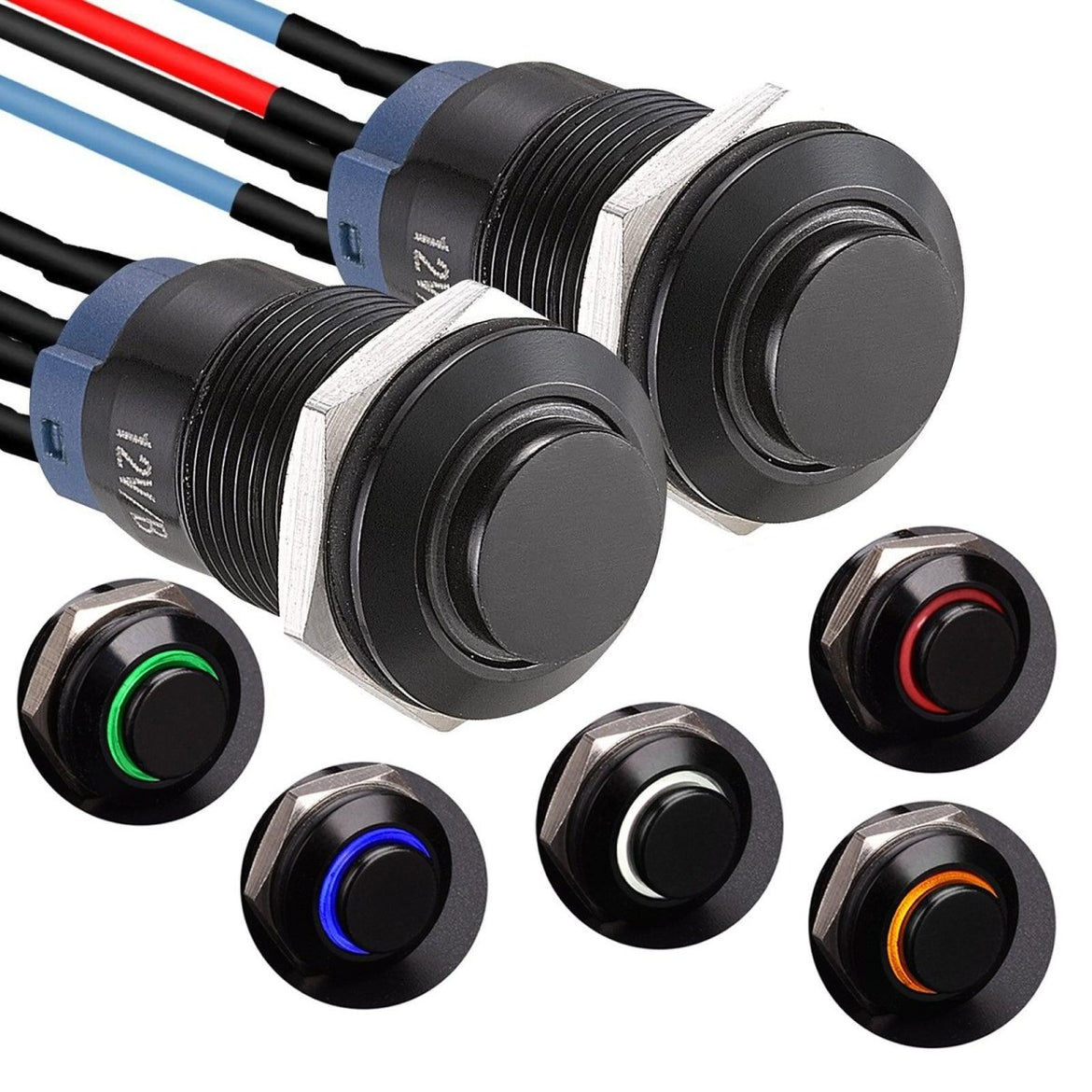

Are Car Switches Standardized Across Brands?
Are Car Switches Standardized Across Brands?
The variability in car switch designs across different brands raises important questions about user experience and safety. While automakers often prioritize distinctive designs for brand differentiation, this practice leads to confusion and frustration for drivers. The absence of standardization complicates vehicle operation, especially for those who frequently switch between models. As the automotive industry evolves, particularly with digital interfaces, the implications of this lack of uniformity become increasingly significant. What solutions could bridge this gap?
Key Takeaways
- Car switches are not standardized across brands, leading to unique layouts and functions for each manufacturer.
- Proprietary engineering strategies prioritize brand differentiation, hindering standardization efforts in control designs.
- Fragmented user interfaces and varying touchscreen designs create confusion and safety risks for drivers switching vehicles.
- Standardization could enhance user familiarity, improve safety, and support easier navigation through vehicle features.
- Despite potential benefits, automakers often resist standardization to maintain distinctive brand identities and customer loyalty.
Introduction: The Myth of Universal Car Switches

How often do drivers find themselves bewildered by the array of controls in their vehicles? The lack of standardization in automotive controls greatly impacts user experience and control familiarity.
As market trends evolve, the complexity of vehicle systems can exacerbate driver distraction, leading to safety implications. Each brand often employs unique layouts and functions for essential controls, forcing drivers to adapt continuously.
This inconsistency can confuse even seasoned operators, increasing the risk of accidents. The push for uniformity in control design could streamline interactions, enhancing safety and usability across various models.
Why Automakers Avoid Standardization

Automakers often prioritize proprietary engineering and design identity over standardization in vehicle controls, viewing unique interfaces as a key differentiator in a competitive market.
This commitment to distinctive design can enhance brand recognition and customer loyalty, but it may also lead to confusion among drivers accustomed to different layouts.
Consequently, the tension between innovation and user familiarity continues to shape the landscape of automotive control design.
Proprietary Engineering and Design Identity
Proprietary engineering and design identity play a crucial role in the automotive industry’s reluctance to fully embrace standardization across controls and interfaces.
Automakers often develop proprietary systems rooted in their unique design philosophy, which they believe enhances user experience and fosters brand loyalty. This emphasis on control innovation allows manufacturers to differentiate their vehicles in a competitive market, aligning with emerging engineering trends.
While standardization could simplify interactions for consumers, it may dilute the distinctive character that brands aim to cultivate. Consequently, automakers prioritize bespoke solutions that reflect their identity, often at the expense of uniformity, thereby complicating navigation for drivers accustomed to varying control layouts across different models.
System Integration Challenges

While the integration of advanced technologies in modern vehicles promises enhanced functionality and user experience, it also presents significant system integration challenges.
Manufacturers encounter various system integration hurdles that impact cross brand compatibility. The presence of legacy system limitations often complicates the incorporation of new features, leading to user experience friction as drivers must adapt to inconsistent control layouts.
Additionally, technological adaptation obstacles arise when automakers fail to synchronize their systems, resulting in a fragmented interface. This lack of standardization not only hampers driver familiarity but also raises concerns regarding safety and usability.
Consequently, addressing these integration challenges is essential for creating a cohesive automotive experience that meets the evolving demands of consumers.
Fragmented User Interfaces Across Brands
The automotive industry exhibits significant fragmentation in control placement across different brands, leading to user confusion and potential safety risks.
Variability in the location of essential controls, such as window operations and climate settings, complicates the driving experience, especially for those who frequently switch vehicles.
This inconsistency highlights the pressing need for standardized user interfaces to enhance usability and improve overall driver safety.
Inconsistent Control Placement
Inconsistent control placement across various automotive brands creates a fragmented user interface that can profoundly impact driver safety and experience.
This lack of standardization in control design leads to user confusion, as drivers must adapt to varying layouts for essential functions. Ergonomic considerations are often overlooked, resulting in controls that are not intuitively accessible, particularly in high-stress situations.
Such discrepancies can detract from feature accessibility, forcing drivers to divert their attention from the road to locate and operate controls. This distraction greatly compromises driver safety, emphasizing the need for a more cohesive approach to control placement.
A unified design could streamline interactions and enhance overall user experience, fostering safer driving environments across diverse vehicle models.
Brand Aesthetics vs. Usability
How do brand aesthetics influence the usability of automotive controls? The interplay between aesthetics and functionality shapes consumer preferences and brand loyalty considerably.
As brands evolve their designs, they often prioritize a visually appealing interface, which can detract from intuitive usability. This design evolution, driven by market competition, may lead to complex controls that raise safety concerns among users.
While attractive designs can enhance the overall driving experience, they must not compromise usability; otherwise, drivers may struggle to operate essential functions.
Consequently, manufacturers must balance aesthetic appeal with functional clarity to guarantee that users can engage effectively with their vehicles, ultimately fostering a safer and more satisfying driving environment.
The Digital Era — New Challenges from Touchscreens
The emergence of touchscreens in vehicles has introduced significant variability in user interface design, complicating the driving experience.
Each manufacturer utilizes different layouts and menu structures, which can lead to confusion and distraction for drivers.
As the reliance on digital interfaces grows, the need for standardized touchscreen functionality becomes increasingly critical to enhance safety and usability across diverse vehicle models.
Touchscreen Variability
What challenges arise from the increasing reliance on touchscreen interfaces in modern vehicles?
The variability in touchscreen responsiveness across different brands can lead to significant user frustration. Many systems lack intuitive navigation, complicating simple tasks like adjusting climate settings or selecting audio options.
Users often provide feedback regarding inconsistent design elements, which can hinder familiarity and ease of use. Additionally, the absence of design consistency exacerbates the learning curve for new drivers and those moving between vehicles.
Accessibility options remain a critical concern, as not all touchscreens cater to diverse user needs, potentially alienating certain demographics.
Consequently, the automotive industry faces the challenge of harmonizing touchscreen interfaces to enhance user experience while maintaining innovation.
Proposal for Common UI Standards
While the automotive industry continues to evolve with innovative technologies, the necessity for common user interface (UI) standards has become increasingly apparent.
Standardization in automotive controls can greatly enhance user experience by ensuring that safety regulations are uniformly met while improving control accessibility. The unpredictable layout of controls often necessitates extensive driver education, particularly for those unfamiliar with specific vehicle brands.
As technological advancements proliferate, the lack of consistency in control design can lead to confusion, potentially compromising safety. Implementing common UI standards could streamline the change between vehicles, foster intuitive engagement with controls, and ultimately contribute to safer driving experiences, thereby addressing both driver needs and regulatory compliance in an increasingly complex automotive landscape.
Internal Standardization Within Brands
Internal standardization within automotive brands plays an essential role in enhancing user familiarity and satisfaction. By adhering to consistent control layouts, brands can foster brand loyalty while aligning with consumer preferences for ergonomic design and intuitive interfaces. Such standardization not only meets safety regulations but also encourages feature innovation, allowing manufacturers to focus on improving functionality without compromising usability.
| Feature Category | Standardization Benefits | Impact on Users |
|---|---|---|
| Control Layout | Reduces learning curve | Improves driving safety |
| Switch Design | Enhances accessibility | Increases user confidence |
| Interface Consistency | Streamlines user experience | Strengthens brand loyalty |
This structured approach guarantees that users experience a seamless interaction with their vehicles, ultimately enhancing overall satisfaction.
Frequently Asked Questions
Why Do Some Cars Have Unique Switch Designs?
Some cars exhibit unique switch designs due to brand identity influence and ergonomic considerations.
Manufacturers often prioritize distinctive design features that reflect their aesthetic choices, setting them apart in a competitive market.
Technological advancements also play a role, as brands integrate innovative functionalities into switches, enhancing user experience.
This combination of factors results in a diverse array of switch designs, catering to different consumer preferences and reinforcing each brand’s unique identity within the automotive landscape.
How Do Regulations Impact Switch Standardization in Vehicles?
Regulatory frameworks shape the landscape of switch standardization in vehicles, influencing switch ergonomics and design.
As manufacturers navigate industry trends, they must adhere to international standards that dictate safety and functionality.
Technological advancements drive innovation, yet the push for uniformity guarantees that drivers encounter familiar interfaces, reducing confusion.
This complex interplay between regulation and design fosters an environment where user experience and safety coexist, ultimately enhancing the driving experience across diverse brands.
Are There Safety Standards for Automotive Switch Placement?
Safety standards for automotive switch placement are governed by international regulations and industry standards, ensuring compliance with safety protocols.
Ergonomic considerations play a vital role in the design, enhancing driver comfort and minimizing distraction.
Accessibility features are integrated to accommodate diverse user needs, promoting inclusivity.
These regulations emphasize intuitive placement and functionality, aiming to reduce accidents and improve overall vehicle safety, reflecting a commitment to creating a safer driving environment for all.
What Role Do Consumer Preferences Play in Switch Design?
Consumer preferences greatly influence switch design, with a striking 70% of drivers prioritizing usability and ergonomic design.
Automakers must balance consumer usability with aesthetic appeal, ensuring that controls are intuitive and visually appealing.
Feature prioritization becomes essential, as brands seek to maintain their identity while meeting diverse user expectations.
This interplay shapes the development of multifunctional and user-friendly switches, reflecting the evolving landscape of automotive technology and consumer desires for seamless interaction.
How Can Drivers Adapt to Non-Standard Switch Layouts?
Drivers can adapt to non-standard switch layouts through familiarization techniques such as switch mapping, which helps them understand the unique configuration of controls.
Engaging in driver training can enhance comfort with unfamiliar systems, while ergonomic adjustments to the seating position may improve access to controls.
Prioritizing intuitive controls can further facilitate this adaptation, allowing drivers to shift smoothly between different vehicles, ultimately enhancing safety and driving efficiency in diverse automotive environments.
Conclusion
To summarize, the absence of standardized car switches reveals a paradox: while automakers endeavor for brand distinction, they inadvertently complicate the user experience and compromise safety. As consumers navigate a fragmented landscape of controls, the coincidence of increased distraction and the rise of advanced technology underscores the urgent need for common UI standards. By reconciling aesthetic ambition with usability, the industry could transform a potentially perilous driving environment into one that fosters confidence and clarity.