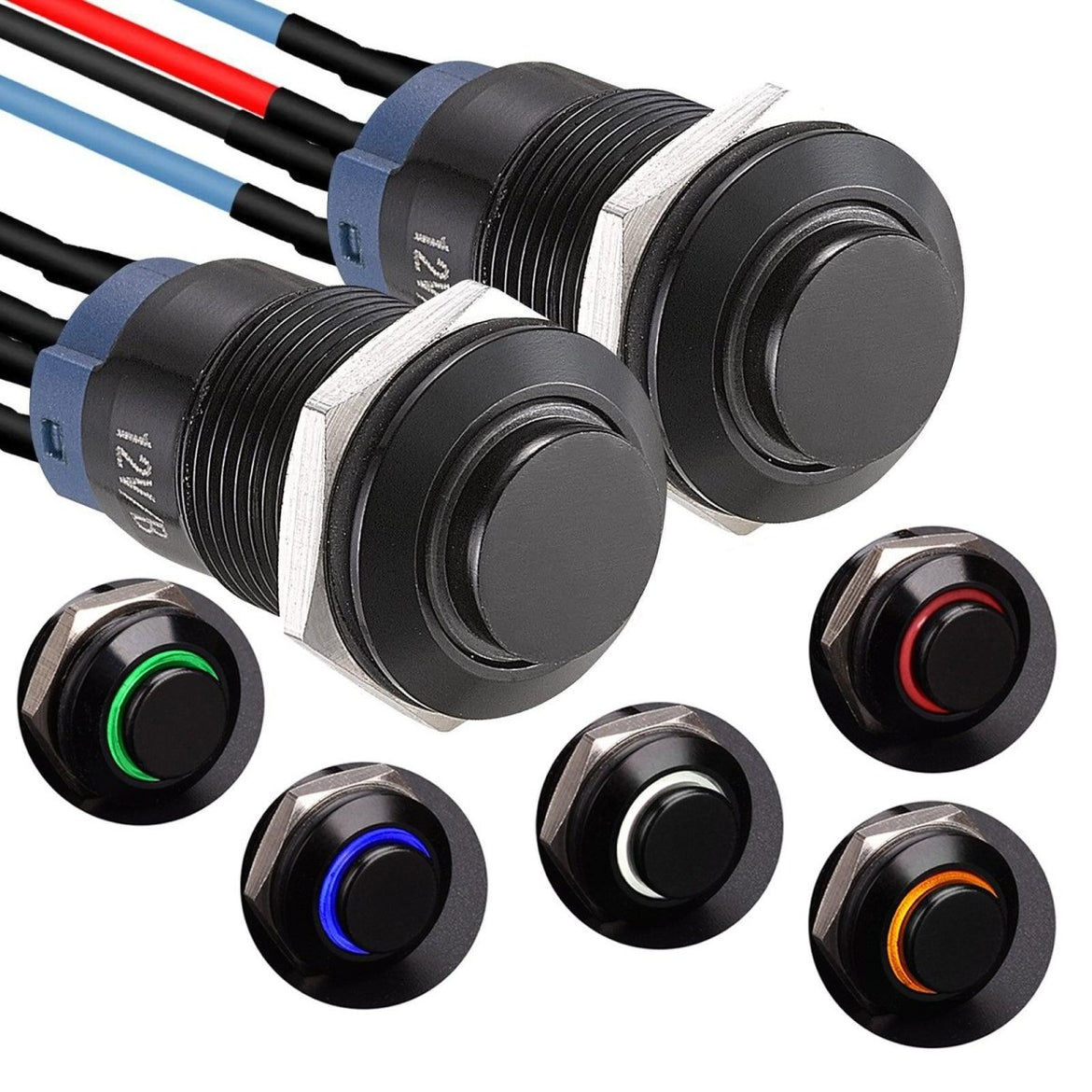
The Basic Switch Knowledge You Need to Know: Types, Materials & More

DC vs. AC Pushbutton Switches: Key Differences and Applications

DC vs. AC Pushbutton Switches: Key Differences and Applications DC and AC pushbutton switches exhibit distinct differences influenced by their current types. DC switches necessitate superior arc suppression due to sustained arcing, while AC switches prioritize...

On by xiao zhang 0 Comments

Choosing Pushbutton Switches for High-Frequency Use: Contact Materials

Choosing Pushbutton Switches for High-Frequency Use: Contact Materials For equipment needing rapid on/off cycles, pushbutton switch reliability depends heavily on contact materials. Focus on: wear-resistant metals like platinum-iridium, protection against...

On by xiao zhang 0 Comments

Why Contact Resistance Matters in Pushbutton Switches ?

The Effect of Contact Resistance in Pushbutton Switches Think of contact resistance like friction in a machine. When two metal parts in a pushbutton switch don't connect smoothly, electricity struggles...

On by xiao zhang 0 Comments

Why Do Pushbutton Switches Feel Smoother? Key Factors Explained

Why Do Pushbutton Switches Feel Smoother?  Smooth button operation comes from five key engineering elements: Low-friction metal alloys (like coated carbon steel) Precision manufacturing tolerances Specially tuned spring systems Smart...

On by xiao zhang 0 Comments